
Fighting Crime in the Age of Social Media

 Chelsea Johnson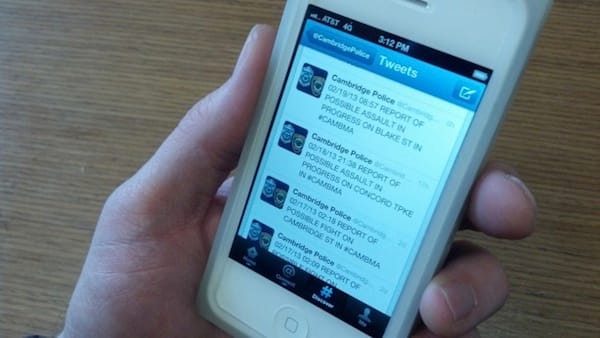
The emergence of social media has heightened the influence of the Internet in our communities. Users of social media have eagerly taken advantage of opportunities to share their personal information on any applicable site -- from Facebook, to Twitter, to Foursquare. Our ability to constantly share photos, videos, and ideas has synthesized a dynamic setting for immediate communication. The influence of social media has long been recognized by law enforcement agencies, with many departments already using social media to detect crime.
How law enforcement uses social media:
Social media is designed to provide an overview of an individual's personality and daily life. Like other users, most criminals on social media use it to discuss their accomplishments (for example, his or her latest robbery) and lives (for example, his or her plans for later that day).
Therefore, social media is a convenient method for law enforcement to track individuals and detect and/or deter crimes. Additionally, sites like Facebook and Instagram provide the opportunity for police to use advanced facial recognition programs to identify potential matches of suspected criminals, as previously reported on IVN.
Furthermore, the Internet creates a curtain of anonymity between users, allowing citizens to report on crimes or suspicious activity they perviously would have ignored. Individuals feel more inclined to report crimes, as well as provide helpful knowledge about a case. Sites like Twitter allow instant dialogue between police officers and citizens, and have empirically helped police departments obtain important facts about criminal investigations.
How criminals use social media:
Just as police use social media to catch criminals, criminals have reportedly used social media to plot future crimes. Earlier in the year, IVN reported on how criminals are using social media sites to gather intelligence on their victims. Individuals who post pictures of their lavish lives or brag about possessions are desirable victims of criminal activity.
Moreover, social networking sites, smart phones, and tablets all possess a GPS component that has the capacity to share current locations at any time. This "check-in" feature provides burglars information on when their potential victims will be out of their house, essentially aiding them in theft.
More commonly, criminals use social media to gain insight about their victims in order to commit identity theft: birth dates, family history, employment, and social security numbers.
Whether you're a police officer or criminal, law enforcement and crime prevention has been revolutionized in the age of social media.
The take-away: Be careful what you tweet, because it can be used against you.

You Might Also Like