FairVote's David Daley Responds to RFK Jr's 'No Spoiler Pledge': There's A Better Way
 Shawn Griffiths
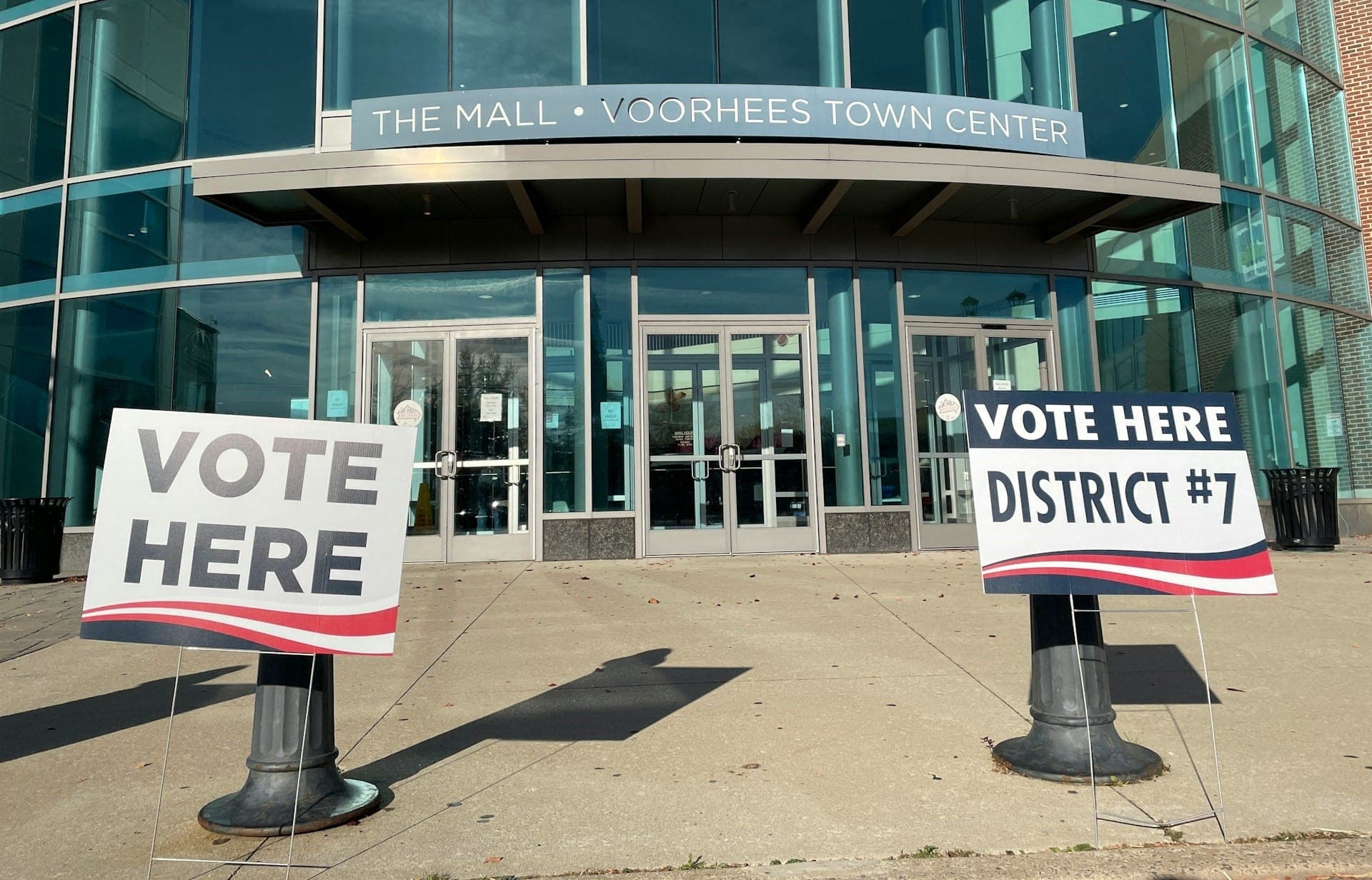
Photo Credit: Jonathan Simcoe on Unsplash
David Daley, a senior fellow at the nonpartisan better elections group FairVote, released a statement Wednesday on Robert F Kennedy Jr's "no spoiler pledge," calling it "weird" and "unproven."
Kennedy proposed that he and Biden co-fund a 50-state poll in mid-October that surveyed 30,000+ people, offering voters two head-to-head contests: One between Biden and Trump and one between him and Trump.
The pledge is that the candidate who performs the weakest against Trump would then drop out of the race.
Read more about Kennedy's press event here.
Kennedy announced the "no spoiler pledge" along with the results of a 50-state poll of over 26,000 voters that showed Trump winning a two-person race between Trump and Biden, and a three-person race between Trump, Biden, and Kennedy.
The results of the poll he focused on were numbers that showed that he beat both Biden and Trump in head-to-head contests.
It's clear that Kennedy wants to flip the script on the "spoiler" argument used against his campaign by the parties and in the press by showing data that Biden is the real spoiler. But Daley says there is a better solution to spoiler concerns already in use: Ranked choice voting.
“We've been debating this since Ross Perot and Ralph Nader," said Daley. "RCV puts the power in the voters' hands, where it belongs. Voters don't need to worry about wasting their vote, and parties and candidates don't need to worry about spoilers."

It is worth noting that most states will have their November ballots finalized by mid-October -- many before then, so while Kennedy's plan is provocative it has plenty of logistical problems.
This is setting aside the unlikelihood that Biden or the DNC would go along with this plan, especially since the DNC has committed resources to deny Kennedy a place on -- or kick him off -- the ballot in a number of states.
Ranked choice voting would give voters the option to rank candidates in order of preference (1st choice, 2nd choice, 3rd choice, etc) rather than marking only one candidate. First-choice selections are then tallied.
If no candidate gets over 50% of first choice selections, the last place candidate is eliminated and their voters' next choice is applied to the results. This process repeats until a candidate crosses the 50% threshold.
It is possible that there will be some states in 2024 where the candidate who wins that state's popular vote doesn't get a majority as a result of multiple candidates on the ballot. This happened in states like Michigan in 2016 and Arizona in 2020.
Kennedy has qualified for the ballot in Michigan so voters could see a repeat of 8 years ago.
But under ranked choice voting, the candidate who performs the weakest in first-choice selections would be eliminated and the winner of the state's popular vote would come down to who their voters preferred next.
Ranked choice voting is already in use in Maine and Alaska at the statewide level, as well as 3 counties and 45 cities across the country -- including the nation's largest city, New York City.

The voting method would also mean no candidate would have to drop out of an election out of fear of the "spoiler effect," ensuring voters have more choice and competition -- something they desperately want in US elections.
Dale and other advocates of ranked choice voting assert that it gives voters the freedom to declare their true preference in an election, even if their first choice is unlikely to win, while also having an impact on the outcome between the top candidates
You Might Also Like