In Deterring Modern-Day Slavery, California is Stopped Short

 Ricky Gandhi
Remaining well hidden from the public eye, human trafficking is, in fact, a problem in the United States. Sex-slavery and severe labor exploitation, what can be considered modern-day slavery, requires addressing. According to the Coalition to Abolish Slavery and Trafficking (CAST), between 15,000 and 17,500 people are trafficked in the U.S. every year.
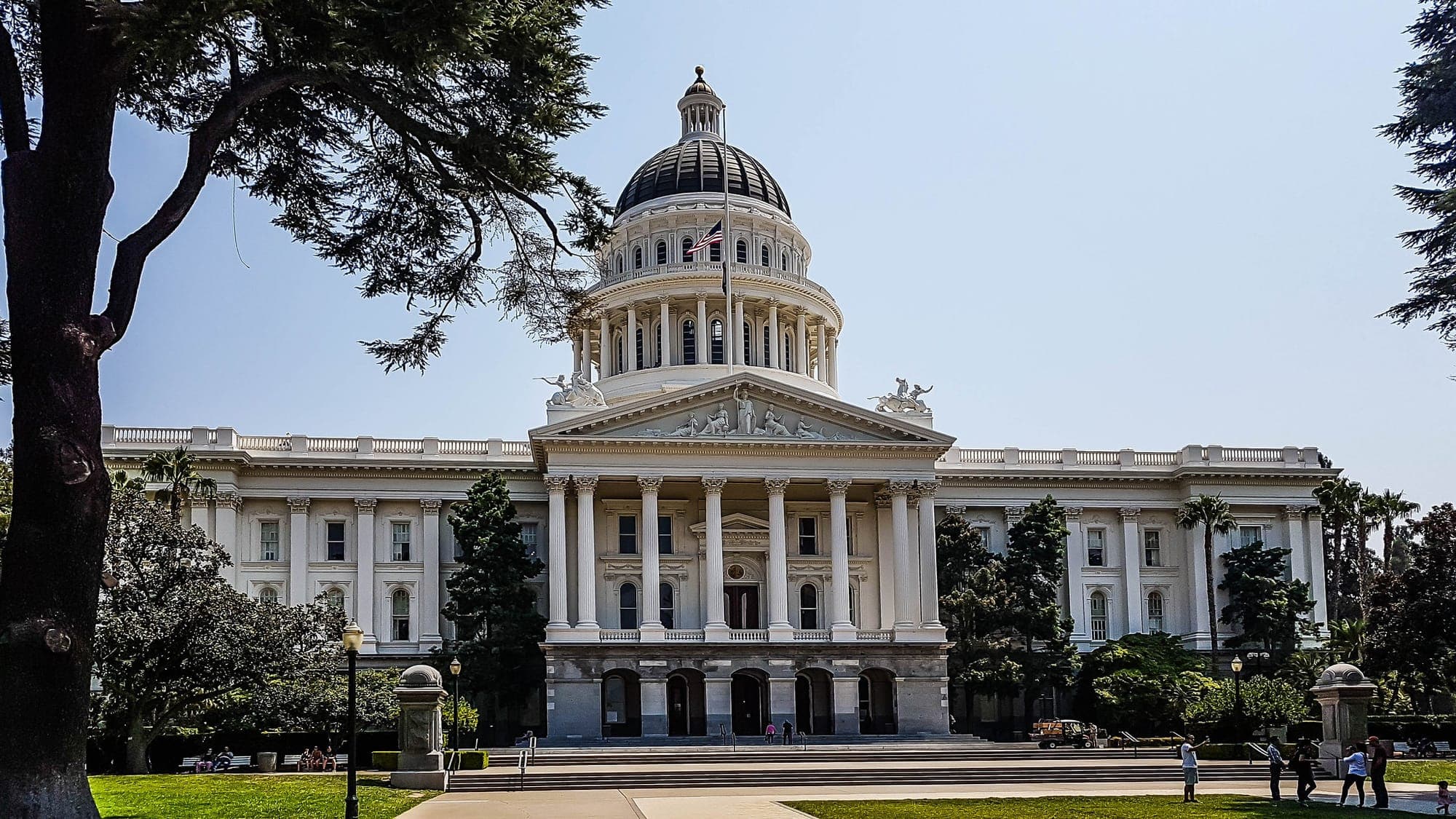
Commercial sexual exploitation may occur via street prostitution, massage parlors, and brothels, while labor may involve agriculture, hospitality industries, construction, strip club work, and more. Photo: Department of Justice
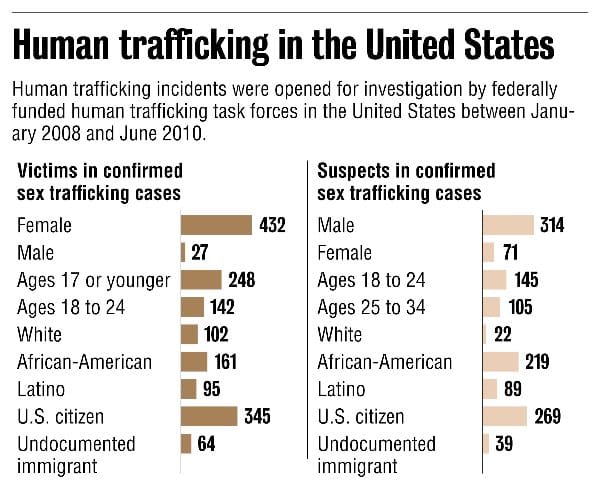
Young children and women remain heavily exploited. Crisis Aid states that the average age of a trafficked victim is 12-14 years old; however, girls as young as 5 and 6 years old may be sexually trafficked in the United States.
With regards to forced labor, 40-50% of the exploited are children, while 56% of all forced labor victims are women and girls. Health and Human Services claims that "women and children are overwhelmingly trafficked in labor arenas because of their relative lack of power, social marginalization, and their overall status as compared to men."
Two types of labor trafficking exists: bonded and forced. The former, also known as debt bondage, remains the most common form of enslavement. The victim must repay a loan by providing labor, and the value of his/her work often exceeds the sum of money owed. The latter forces one to work under threats of violence against the individual or the family.
The supply side of trafficking arises from manipulated, vulnerable victims. False promises of a college education and a good job, for example, can lead to labor or sex enslavement. Resistance results in abuse, threats, rape, or even death. In addition, because many workers come to the U.S. illegally, threats of jail time for the individual exists as well, making it much harder to receive help from authorities or incentivize reporting abuse.
This November, California voters overwhelmingly passed Proposition 35, also known as the "Californians Against Sexual Exploitation Act" Initiative. The proposition was set to increase prison terms for convicted human traffickers, require them to register as sex offenders after release, broadened the definition of human trafficking, and increase law enforcement's education and training on human trafficking.
Prop 35 would have gone into effect in the new year, but a judge ordered a hold on the law's enforcement, after a law suit was brought forth by the ACLU and the Electronic Frontier Foundation challenging the Act's legality. EFF claims the law violates the First Amendment of the Constitution and is unfairly ambiguous in its language. ACLU staff attorney Michael Rishner said on November 7, "The ability to speak freely and even anonymously is crucial for free speech to remain free for all of us...Stopping human trafficking is a worthy goal, but this portion of Prop 35 won't get us there."
California was well-intentioned in its pursuit of legislation targeting human trafficking, but whether or not the law will actually take effect or, if it is enacted, deter traffickers, remains to be seen. Without increased data, protection, and efforts by communities to identify victims and prosecute perpetrators, human trafficking could continue its unfortunate tread forward in the States.

To report an instance of suspected trafficking, please call the HOTLINE: 1.888.373.7888
Terri Harel contributed to reporting.
You Might Also Like