 Shawn Griffiths

LITTLE FALLS, N.Y. — Unite NY surveyed voters across the state of New York and one thing is abundantly clear from the results: The state’s political system is not working for them.
According to the group’s July 2026 Voter Empowerment Index, roughly 6 in 10 registered voters believe New York’s political system is unhealthy. An even larger majority believes the people running the state are not listening:
- 71% of voters do not believe their vote affects who ultimately runs New York, while
- 67% said the state government does not listen to people like them.
These figures show an electorate that is not just frustrated with the state of representation in New York. It shows a voting population that wants the rules changed.
 Shawn Griffiths
In fact, two-thirds of New Yorkers surveyed support at least some change to how voting works in the state. Meanwhile, 68% want changes to the rules governing who can run for office.
“New Yorkers understand that a healthy democracy requires having meaningful choices at the ballot box,” said Unite NY Executive Director Anthony Thomas.
“They want independents to have a voice in taxpayer-funded primary elections, qualified candidates to have a fair opportunity to reach the ballot and elections that encourage candidates to appeal to the broader community.”
Open Primaries Draw Bipartisan Support
Two-thirds of registered New Yorkers support allowing independent voters to participate in primary elections.
And support crosses party lines:
- 62% of Democrats support open primaries.
- 64% of Republicans support open primaries.
- 77% of independent voters support open primaries.
New York currently conducts closed partisan primaries, which means voters must register with a political party before they can participate in these taxpayer-funded elections.
 Shawn Griffiths
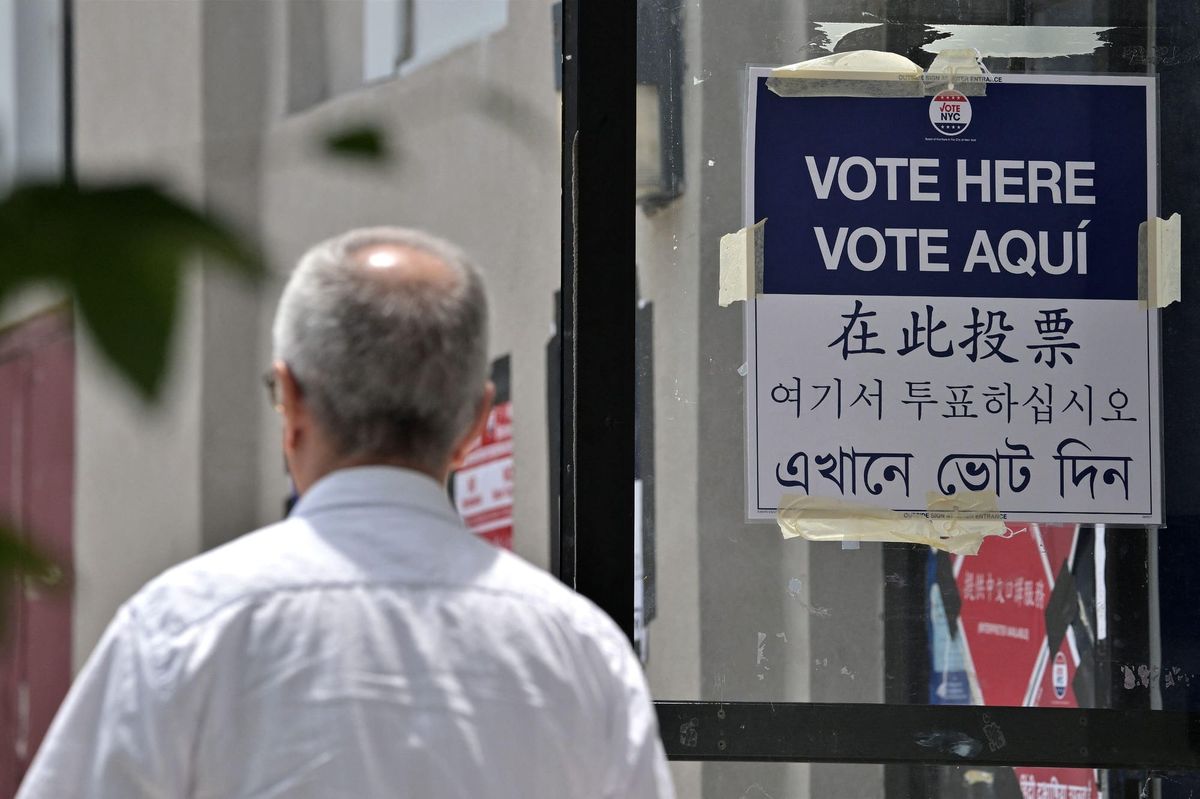
These primaries produce low turnouts and attract highly motivated partisan voters or ideological movements that make up only a handful of voters.
And yet, these races frequently decide who ultimately gets elected because of how safe a district is for one party or the other.
In other words, independent voters are locked out of the elections that matter most.
Voters Want a Fairer Path to the Ballot
There was even stronger support among New Yorkers for making it easier for independent candidates to compete.
Unite NY found that 82% of registered voters believe independent candidates should face the same or lower petition-signature requirements as candidates representing the major parties.
Further, two-thirds support ballot-access reform more broadly.
Independent and minor-party candidates often face different qualification rules than major-party candidates, creating additional hurdles before voters ever have an opportunity to consider them.
For more than 8-in-10 New York voters, that disparity is not justified.
Ranked Choice Voting Receives More Mixed Support
Unite NY also surveyed respondents on ranked choice voting. Support for it, however, was less overwhelming.
A little more than 4 in 10 voters said ranked choice voting would be beneficial in both local and statewide elections.
This reform allows voters to rank candidates in order of preference rather than selecting only one. If no candidate receives a majority of first-choice support, the lowest performing candidates are eliminated and their voters’ next choices are applied to the tally until a majority winner is determined.
New York City already uses ranked choice voting in party primaries and special elections for city offices. Voters approved the reform back in 2019 and it was used for the first time in 2021.
Voters Want More Than New Politicians
The survey’s findings reveal a distinction that elected officials often overlook—or just ignore.
New Yorkers are not only dissatisfied with individual politicians. Broad majorities question whether the current system allows their votes to matter.
People may disagree on candidates, parties, and policy. But the July Voter Empowerment Index shows substantial agreement that a political system that ignores voters, locks them out, and protects established candidates must be reformed.
Voters are asking for more choice.
The July 2026 Voter Empowerment Index surveyed 1,667 registered voters across New York state.