Reverse Mortgages: The New Housing Bubble

 Thomas G Brown
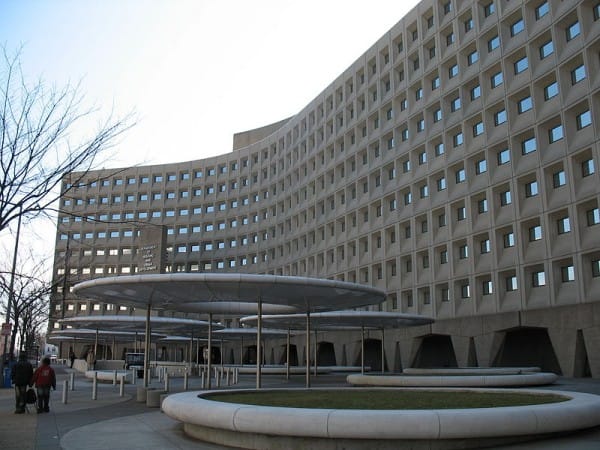
Photo: Wikimedia Commons / Author: Kjetil Ree
The reverse mortgage is a financial vehicle that allows home owners who are 62 years of age and older to take out a loan on their primary residence. The Department of Housing and Urban Development will back a loan up to $625,500 which means that banks and financial institutions are enticed into setting these loans up as they have a "heads they win, tails you lose" opportunity.
If you have a home that is valued higher than this limit you can take out what is referred to as a jumbo reverse mortgage, but this has many restrictions since they are not backed by the federal government, so the rest of this article will only focus on the regular reverse mortgage of up to $625,500 backed by Washington.
As promotions for these mortgages have increased over the past few years, more and more people are seeking out reverse mortgages-- and they are attracting a younger crowd. Originally they were designed to help cash-poor older people stay in their homes, as a loan of "last resort." But now baby boomers (oldest started turning 62 in 2008) ages 62 to 64 now represent 20 percent of prospective borrowers (62 is the earliest age you can apply), according to a recent survey by MetLife Mature Market Institute. Nearly half the people considering a reverse mortgage today are under 70.
That figure of one in five (21%) reverse mortgage borrowers aged 62 to 64 represents a major jump in recent times. In comparison, homeowners who were around the minimum age for these loans represented only about 6% of borrowers who applied for reverse mortgage loans in 1999.
This poses a serious problem in the current economic climate as there will be more and more home owners qualifying. As of January of last year, 10,000 Americans are turning 65 years old every day and this trend will continue for 19 years. This adds up to 69 million eligible Americans by 2030 which will have an interesting effect on the number of homes being sold on the market when reverse mortgage borrowers start to die, move, or default due to delinquent taxes or lapsed insurance.
The U6 job numbers for July of this year are at 15%, which is the figure closest to reality that the government offers as a real unemployment number. This number is the total unemployed, plus all persons marginally attached to the labor force, plus total employed part-time for economic reasons as a percent of the civilian labor force. For those who are 60 years of age and older, that unemployment number is at 20.3%.
As the recession gets worse and more and more Americans lose their jobs while more home owners become qualified for reverse mortgages, an uptick in these kinds of loans is likely. These instruments will be used as a life raft of last resort for many seniors who did not save enough for retirement, have lost their jobs, or have huge debts and very little in liquid assets to pay it off.
You Might Also Like