Supreme Court: Voting Rights Act Still Applies

 Addie Stone
On Wednesday, the
Supreme Court issued a 5-4 decision in the consolidated cases of Alabama Legislative Black Caucus v. Alabama and Alabama Democratic Conference v. Alabama, which challenged Alabama’s redistricting as racial gerrymandering.
The majority opinion, written by Justice Breyer, and joined by Justices Kennedy, Sotomayor, Ginsburg, and Kagan, found that a challenge to Alabama’s redistricting plan based on a district-by-district analysis of racial gerrymandering was valid. The case was remanded for further proceedings.
Alabama claimed that its redistricting plan was valid because it apportioned the number of black voters in line with the historical composition in each district, which it argued was required by the Voting Rights Act.
The court disagreed. It held that § 5 of the Voting Rights Act merely requires states to maintain a minority group’s ability to elect a preferred candidate, not maintain strict percentages of minorities within a district. Considering this interpretation of the Act, the court said that there is “strong, perhaps overwhelming, evidence that race did predominate as a factor when the legislature drew the boundaries…”
The dissent, penned by Justice Scalia, and joined by Chief Justice Roberts and Justices Thomas and Alito, focused on the procedural inadequacies of the appellants’ case. Scalia did not agree with the majority’s decision to interpret the appellants’ arguments and claims as legally correct when they were “pleaded with such opacity that, squinting hard enough, one can find them to contain just about anything.”
He also agreed with the lower court that the caucus did not have standing because it failed to present any evidence demonstrating it.
Justice Thomas also wrote a dissent, but focused on what he believes to be substantive faults in the court’s reasoning. Thomas believes that this entire case is a debate about the “best racial quota” because of the immense errors present within the jurisprudence of interpreting the Voting Rights Act.
He believes this jurisprudence, along with the Department of Justice’s interference and the state’s “max-black” plans, which created many majority-black districts -- some even over 70 percent black -- have directly led to the present issue in Alabama.

This victory for minority voters in Alabama is viewed as a small victory, but one that could prevent use of the Voting Rights Act as an excuse to draw district lines in favor of any political party under the pretext of racial equality.
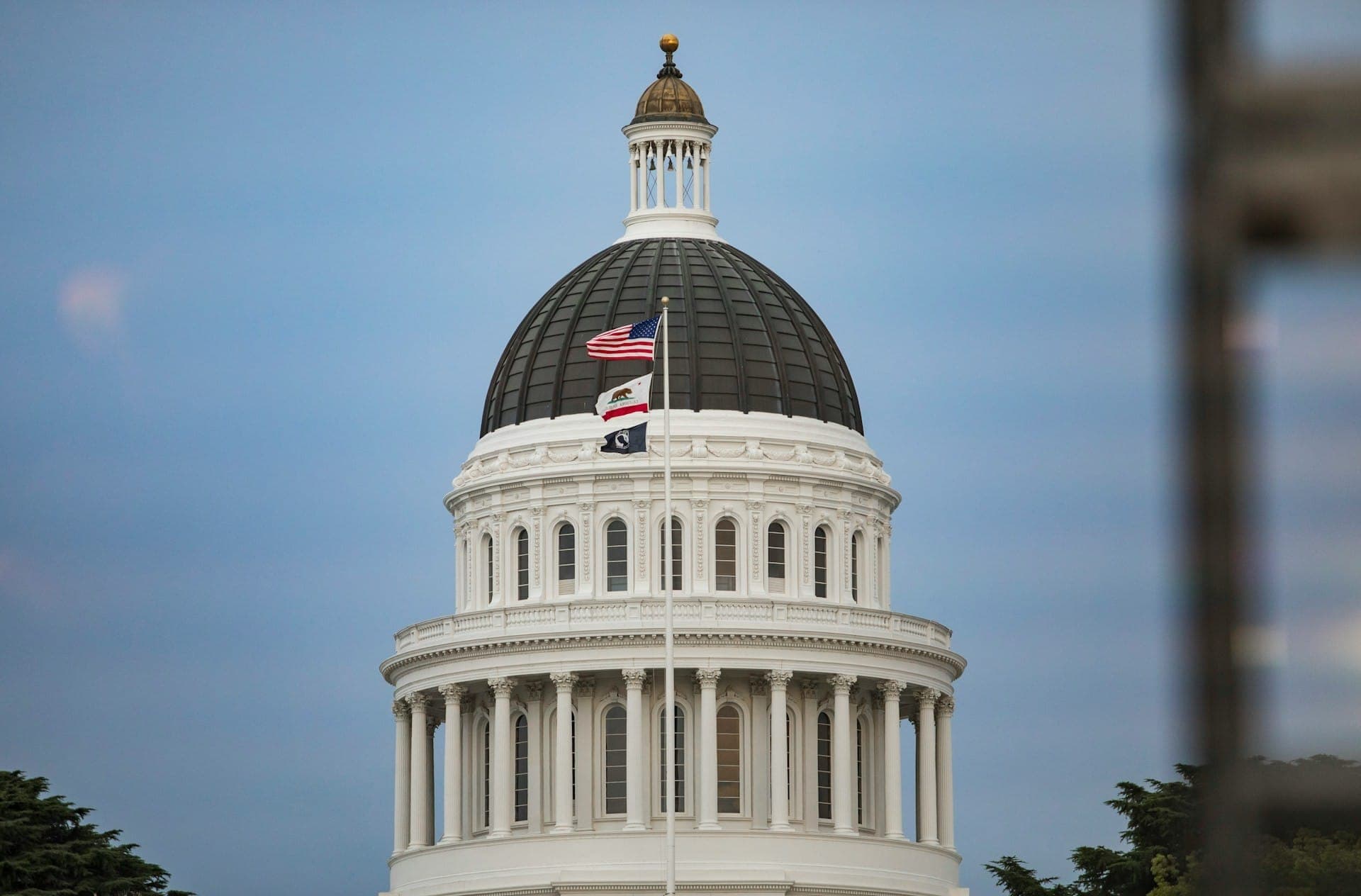
Photo Credit: Gary Blakeley / shutterstock.com
You Might Also Like