
 Shawn Griffiths
SALT LAKE CITY - Utah Gov. Spencer Cox will appoint two more justices to the state Supreme Court after he signed a bill into law that increases the size of the court from 5 members to 7. Notably, the change comes as the legislature is trying to restore an all-GOP congressional map.
Republican advocates say the expansion is needed to improve the court’s efficiency. Democrats say the timing is suspicious.
“Seven sets of eyes reviewing the most complex and difficult issues our state has ever faced is better than having only five sets of eyes,” said House Majority Leader Casey Snider, a sponsor of the bill.
At the start of the 2026 session, Chief Justice Matthew Durrant reportedly told lawmakers the court faced “essentially no backlog” and encouraged them to add lower district judges, which he believed deserved more attention from lawmakers.
Former Associate Chief Justice John Pearce noted that adding more members to a court increases the comments that must be considered in each case – which inevitably makes the process slower, not speedier.
The bill was approved by more than two-thirds of the Utah Legislature, which means there will not be any delay to the law’s implementation. Once the new seats are filled, Cox will have appointed 5 of the 7 justices currently serving on the bench.
Republicans Want the State Supreme Court to Restore Their Gerrymandered Map
The expansion of the Utah Supreme Court is the latest change the legislature has made to the court, including taking away the court’s ability to select its own chief justice. This authority now resides with the governor.
It also follows a string of losses before the court on a variety of issues that range from redistricting to initiative repeal to abortion to transgendered athletes competing in sports. Right now, however, the focus is on a new congressional map.
First, here’s a little background to better understand what is happening.
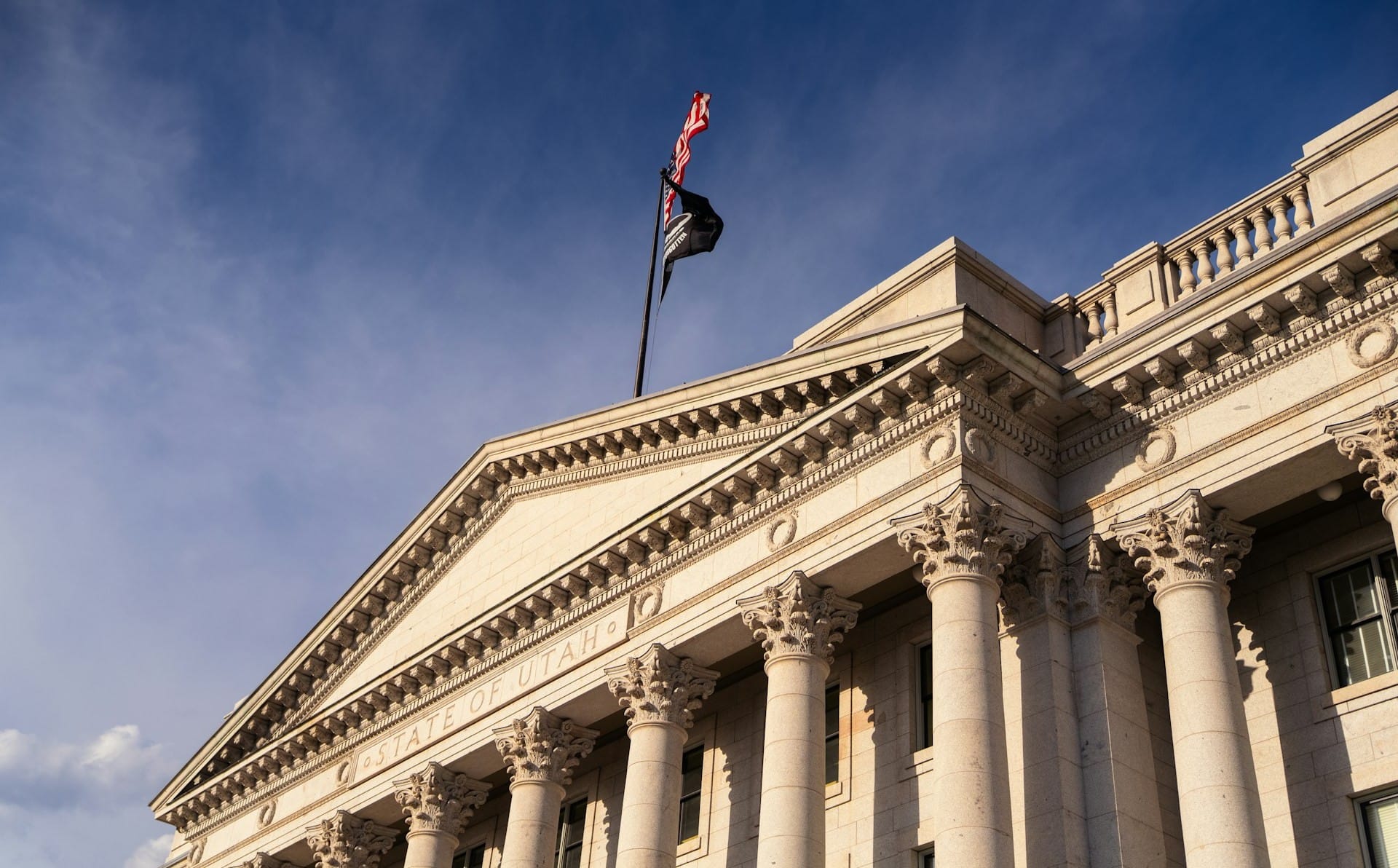
Back in November, Third District Judge Dianna Gibson rejected a new congressional map drawn by the legislature that would have preserved the Republican Party’s advantage in all 4 of the state’s districts.
Gibson ruled that the proposed map did not comply with Proposition 4, passed by voters in 2018. The legislature previously tried to repeal Prop 4, but the Utah Supreme Court ruled lawmakers cannot repeal citizen initiatives that reform government
Prop 4 created a 7-member redistricting commission that can recommend new legislative and congressional maps to the legislature. Under the measure, lawmakers are required to review the recommendations and if they reject them, they have to provide specific reasoning.
When the Prop 4 repeal was struck down, the case was sent back to Gibson, who was asked to determine if the state’s congressional map needed to be redrawn. On August 25, 2025, she ruled that it did.
Both the legislature and the plaintiffs in the case were then given time to submit their proposals for a new congressional map. On Nov. 10, Gibson rejected the legislature’s proposals, but she accepted a map from the plaintiffs that essentially created a Salt Lake City district.
Due to the city’s electoral makeup, the new map gives Democrats a chance to pick up one seat. Under Gibson's decision, Utah became the sixth state in 2025 to adopt a new congressional map, following Texas, California, Missouri, North Carolina, and Ohio.
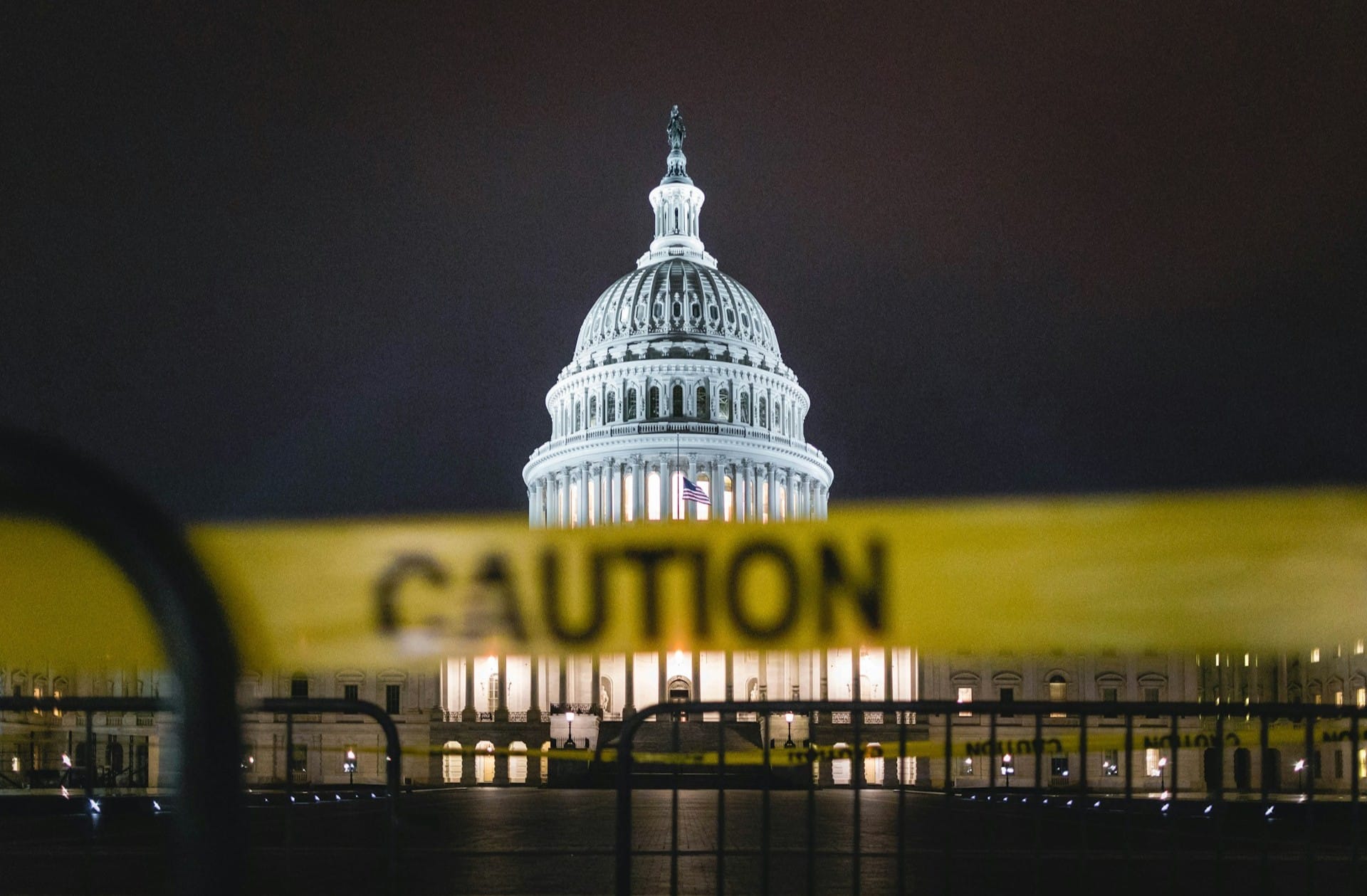
The Republican majority in the Utah Legislature is now asking the state Supreme Court to restore their map. Notably, though, the court is composed of justices that have already sided with Gibson on this issue.
Democrats and opponents of the court expansion argue it is a partisan scheme to get favorable rulings on redistricting and other issues.
For Republicans and Democrats, There’s Plenty of Hypocrisy on the Subject of “Court Packing”
For those who follow national political news, if what Utah Republicans are doing sounds familiar, it’s because some Democrats proposed packing the U.S. Supreme Court after Republican-appointed justices increased to a 6-3 majority under President Donald Trump in 2020.
These Democrats wanted then candidate Joe Biden to support the plan, but Biden said he’s “not a fan of court-packing.”
As the name implies, “court packing” is an effort to sway the ideological and political leanings of what is supposed to be an independent branch of government in order to get more favorable treatment from the court.
It is a plan that famously dates back to FDR, who wanted to add more justices to SCOTUS in order to remove the biggest barrier to implementing some of his New Deal policies. But Congress overwhelmingly said no.
Since then, no president has tried.
But just as Republicans have criticized calls from Democrats to pack the courts at the national level, they have embraced the plan in Arizona, Georgia, and now Utah in an effort to get more favorable court rulings.
And while Democrats have considered it at the national level, they decry these efforts at the state level.
One of the biggest arguments against “court packing” is the dangerous precedent it sets. If one side does it, then the other side will do it when they get in power. If more Republican states do it, what will stop Democrats from doing the same in states they control?
As bad as the tit-for-tat mid-cycle gerrymandering fight has been, imagine what it will be like when states start to compromise the independence of the judiciary simply to retaliate against the “other side.”
Public trust in the judicial branch remains high – particularly with state courts. While voters are wary of partisanship in legislative and executive institutions, the courts have long been looked at favorably. But will that soon change as a result of these partisan schemes?