2014 Election Results: All of California's 2014 Same Party Races [UPDATED]
![2014 Election Results: All of California's 2014 Same Party Races [UPDATED]](/_next/image?url=%2FIVN_Vote_Default_Image.webp&w=2048&q=75)
 Nancy Phung
Winners in bold:
House of Representatives:
- CD-4 Tom McClintock 60.1% v. Art Moore 39.9% in CD-4 (GOP)
- CD-17 Mike Honda 52.2% v. Ro Khanna 47.8% in CD-17 (DEM)
- CD-19 Zoe Lofgren 66.8% v. Robert Murray 33.2% in CD-19 (DEM)
- CD-25 Tony Strickland 46.5% v. Steve Knight 53.5% in CD-25 (GOP)
- CD-34 Xavier Becerra 73.3% v. Adrienne Nicole Edwards 26.7% in CD-34 (DEM)
- CD-35 Norma Torres 63.3% v. Christina Gagnier 36.7%in CD-35 (DEM)
- CD-40 Luiclle Roybal-Allard 61.4% v. David Sanchez 38.6% in CD-40 (DEM)
State Assembly:
- AD-7 Steve Cohn 41.7% v. Kevin McCarty 58.3%in AD-7 (DEM)
- AD-9 Jim Cooper 56.1% v. Darrell R. Fong 43.9%in AD-9 (DEM)
- AD-44 Elizabeth Echols 45.7% v. Tony Thurmond 54.3% in AD-15 (DEM)
- AD-17 David Campos 48.6% v. David Chiu 51.4% in AD-17 (DEM)* Provisional and Mail-in ballots still being counted
- AD-26 Devon Mathis 55.6% v. Rudy Mendoza 44.4% in AD-26 (GOP)
- AD-39 Raul Bocanegra 49.7% v. Patty Lopez 50.3% in AD-39 (DEM)
- AD-47 Cheryl R. Brown 57.1% v. Gil Navarro 42.9% in AD-47 (DEM)
- AD-54 Sandra Mendoza 35.8% v. Miguel Santiago 64.2% in AD-53 (DEM)
- AD-64 Mike Gipson 64.1% v. Prophet La’Omar Walker 35.9% in AD-64 (DEM)
- AD-71 Brian W. Jones 71.4% v. Tony Teora 28.6% in AD-71 (GOP)
- AD-74 Keith D. Curry 41.0% v. Matthew Harper 59.0% in AD-74 (GOP)
- AD-76 Rocky J. Chavez. 67.4% Thomas Krouse 32.6% in AD-76 (GOP)
State Senate:
- SD-6 Roger Dickinson 46.9% v. Richard Pan 53.1% in SD-6 (DEM)
- SD-24 Peter Choi 33.3% v. Kevin De Leon 66.7% in SD-24 (DEM)
- SD-26 Ben Allen 60.8% v. Sandra Fluke 39.2% in SD-26 (DEM)
- SD-28 Bonnie Garcia 46.5% v. Jeff Stone 53.5% in SD-28 (GOP)
- SD-30 Isidro Armenta 31.3% v. Holly J. Mitchell 68.7% in SD-30 (DEM)
- SD-40 Rafael Estrada 44.9% v. Ben Hueso 55.1% in SD-40 (DEM)
Polls show that most Americans believe the U.S. is a more divided nation, politically, than it was 4 years ago. Seventy-two percent of Americans support the inclusion of independent voters in primary elections. And, 50 percent of registered voters say their own member of Congress deserves re-election.
These statistics are the consequences of a long-term trend, which has fewer and fewer voters putting their confidence in the ability of either major political party to adequately represent them. Terms like “safe seats,” “political bid,” and “party discipline” are the products of a partisan-based electoral system that has governed our representative form of democracy for generations — systems that were developed at a time when nearly every voter identified with one of the two major parties.
Today, however, almost half of the electorate self-identifies as a political independent. In New Jersey, for example, 47 percent of registered voters are unaffiliated. In California, the number is close to 22 percent. When only major party voters are allowed to vote in a primary election, only those voters are given an opportunity to meaningfully participate. The consequence is that representatives are primarily accountable to voters registered with their party.
California’s top-two primary has done away with the traditional party-oriented structure by placing all candidates on a single ballot, and allowing all voters to participate in the same manner, regardless of their party affiliation, or lack thereof. The top-two candidates advance, regardless of their party affiliation.
As a consequence, seasoned incumbents are being challenged even in districts that would otherwise be “safe” for “their party.” And in 25 of these races, heavily Democratic or Republican districts will see members of the same party face-off in November. Under the “old rules,” whoever won the majority party primary would have de facto already won their seat.
This means that, unlike previous years, these candidates have to appeal to voters outside their own party.
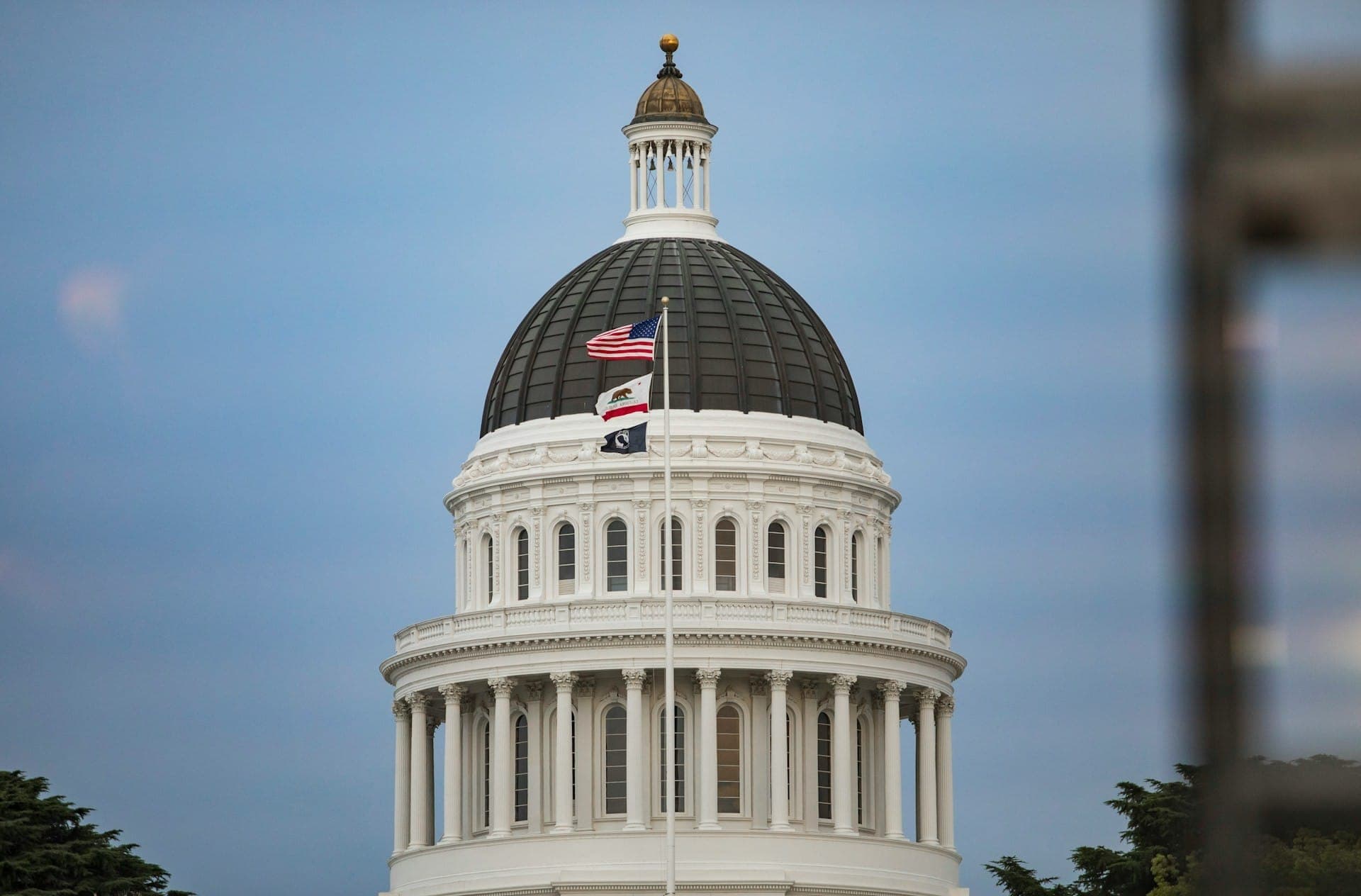
Photo Credit: trekandshoot / Shutterstock.com
You Might Also Like