
Foreign Intelligence Surveillance Act Brought Before High Court

 Lillian Ewing
Credit: Militaryradio.com
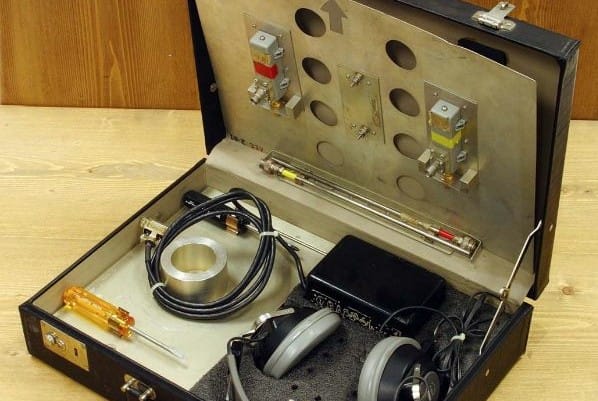
The Foreign Intelligence Surveillance Act (FISA) was enacted in 1978 under President Carter with the purpose of prescribing electronic surveillance rights and procedures within the United States to collect foreign intelligence information. FISA provides a framework for allowing electronic surveillance in cases where national security is at issue. More specifically, it allows for surveillance of “communications of foreign powers or agents of foreign powers.”
FISA Amendments
FISA has been amended several times, including the FISA Amendments Act of 2008, which legalized warrantless wiretapping. Title I of FISA permits "the President, acting through the Attorney General, to authorize electronic surveillances for foreign intelligence purposes without a court order in certain circumstances.” American citizens can be subject of warrantless electronic surveillance if they are deemed agents of a foreign power as defined in the statute.
In September of 2012, the House approved sweeping measures reaffirming FISA and passed the FISA Amendments Act, which reauthorized “broad electronic eavesdropping powers that legalized and expanded the George W. Bush administration’s warrantless wiretapping program.” It gives the National Security Agency broad powers for warrantless electronic surveillance for another five years. No additional privacy protections were added to the amendment.
Delicate Balance between Civil Liberties and Security
Due to the scope of FISA, which has often been criticized for having too large of a scope, the late Senator Ted Kennedy made the following comment about the balance between civil liberties and protecting US citizens:
“Electronic surveillance can be a useful tool for the Government’s gathering of certain kinds of information; yet, if abused, it can also constitute a particularly indiscriminate and penetrating invasion of the privacy of our citizens.”
While some argue that there is no constitutional right to privacy, FISA has been criticized primarily under the Fourth Amendment to the Constitution, which guarantees the right of people against “unreasonable searches and seizures” such that “no Warrant shall issue, but upon probable cause.”
FISA allows warrantless searches under circumstances that fall under the statute. It is unknown how many people have been monitored under authority from the act, but there has been “at least one occasion” where the Foreign Intelligence Surveillance Court, created under FISA, has found there to be an illegal search under the Fourth Amendment.
The Supreme Court Weighs In
The US Supreme Court has never expressly decided whether the president has the constitutional authority to authorize electronic surveillance for foreign intelligence purposes. That may soon change.

On October 29, the Supreme Court heard arguments from the ACLU challenging the FISA Amendments Act, which gives the National Security Agency almost unchecked power to monitor the international phone calls and emails of US citizens.
The ACLU argued that, “Under the FAA, the government can target anyone — human rights researchers, academics, attorneys, political activists, journalists — simply because they are foreigners outside the United States, and in the course of its surveillance it can collect Americans’ communications with those individuals.”
The case has not been decided, but the ACLU is pleased with the court’s response thus far, stating that the court "seemed appropriately skeptical of the government’s attempts to shield this sweeping surveillance law from meaningful judicial review.”
You Might Also Like