FDA Conducts Sweeping Electronic Surveillance Operation

 Julian Sanchez
Photo: natural.tv
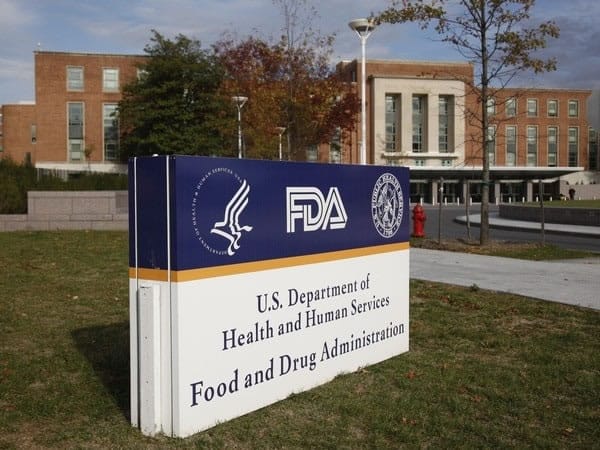
[Last] weekend, the New York Times reports on a sweeping electronic surveillance operation carried out not by the FBI, NSA, or CIA, but by… the Food and Drug Administration. Not only that, but correspondence from several congressional offices apparently got swept up in the dragnet—and inadvertently posted publicly:
Charles E. Grassley
As Marcy Wheeler notes, there’s an irony here, in that Grassley is a supporter of the FISA Amendments Act, which authorizes warrantless, programmatic surveillance by the NSA of international communications of Americans. (The NSA has never, of course, required a warrant to purely foreign communications.) Supporters of this authority constantly insist that it is not about “spying on Americans” because the nominal “targets” of these interception programs must be located abroad—even though the authority would only be necessary when those targets were communicating with Americans. Here, it seems clear that the FDA managed to gather a good deal of information about the activities of these two members of Congress, even though it was only the correspondence of the scientists employed there that was directly monitored. So perhaps the privacy implications of surveillance don’t stop with the formal “target”?
Historically, the improper political use of information gleaned from surveillance has often taken circuitous routes—as documented in the Church Committee Reports of the 1970s. During the Johnson administration, the FBI became curious what Anna Chennault—a close confidant of then-candidate Richard Nixon—was promising the South Vietnamese should Nixon win the White House. But, as an internal FBI memo explained, “it was widely known that she was involved in Republican political circles and, if it became known that the FBI was surveilling her this would put us in a most untenable and embarrassing position.” Instead, they “targeted” her Vietnamese contacts, with the same effect.
In other cases, the acquisition of politically useful domestic information seems to have been more of a happy side-effect. Under John F. Kennedy, the FBI wiretapped lobbyists and lawyers employed by the Dominican Republic—as well as several Agriculture Department officials, and the secretary of Agriculture Committee Chairman Harold Cooley—in order to investigate whether the Dominicans were using bribery to influence policy. What they got instead, it seems, was quite a lot of helpful intelligence about who was in line with or opposed to the president’s agenda, as well as who might be persuadable—and by what means. This intelligence, the FBI later concluded in internal documents, “contributed heavily to the Administration’s success” in getting its preferred bill passed.
Here, we have a case where a “leak investigation” seems to have morphed into a broader effort to shield a government agency from criticism, including from members of Congress. Perhaps legislators show so little will to limit the NSA’s spying powers because they’re convinced nothing similar could ever happen at that agency. Or perhaps it’s that they’d prefer not to find out.
--
This article, originally published at Cato at Liberty by Julian Sanchez, is reprinted with permission from the Cato Institute.
You Might Also Like