Fake Twitter Followers: Why It Matters
 Jane Susskind
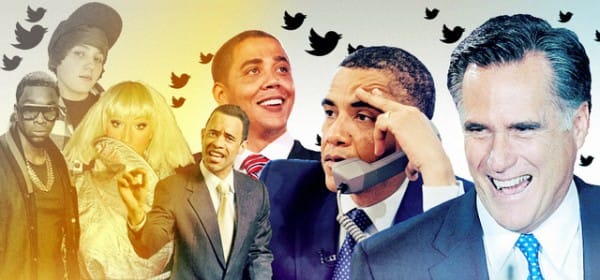
This morning, I posted this week's social slipup, highlighting the increasing trend in politics of buying fake Twitter followers. While the issue of fake Twitter followers might seem trivial to some, I wanted to clarify why it matters this election and the implications of the practice. Photo Credit: Fast Company
As in most things in life, shortcuts rarely pay. Taking the easy way out, while tempting, often results in short term fixes, instead of long lasting results. If you cheat on a test, for example, you may get the A you're after, but you will be at a loss for words next time you are asked for real world applications.
In terms of Twitter, buying fake followers would be considered cheating the system. Twitter is designed to reward those who put in the work to create an informative and engaging account. By posting consistently and including hashtags, mentions, and trending topics, your tweets will get more exposure, will be shared, and will result in followers. It is, however, a slow process that requires both hard work and patience.
Wendy Schiller, a political science professor at Brown University, explains the implication of the practice, arguing that there are absolutely no upsides to buying followers, while the downsides are numerous. Voters don't care about the numbers, she argues, "They do care if you're a fraud. They do care if you're lying about who supports you." Schiller continues, "Why risk your credibility as a politician by engaging in that?"
And when you try to leverage your social media stats for political power, it does matter. Remember the case of Rhode Island Democrat Anthony Gemma, who was our first victim on our Social Slipups series. With little media attention, his Twitter account reached a suspicious 965,896 followers, passing the likes of well established politicians like Mitt Romney, Nancy Pelosi, and John Boehner. Since then, he's made national headlines - not for his political views, but for his dishonest Twitter tactics.
As Zac Moffatt, the Romney campaign's digital director, points out, Twitter is all about engagement. It doesn't matter how many people follow you if they don't see, respond, or share your tweets. So why the recent market for fake Twitter followers among politicians? Politicians, catching on to the importance of a social media in the months leading up to the 2012 election, are making up for lost time, trying to substitute real engagement and targeting with a quick fix to give off the impression of social standing.
That's why we've been keeping tabs on politicians who put in the work to create and implement successful social media strategies. Mayor Cory Booker, Democratic Rep. Jared Polis, and Republican Rep. Justin Amash may have less followers than Mitt Romney and Barack Obama, but their levels of engagement stand as testament to the fact that in the social media realm, numbers aren't everything.
With issues such as unemployment and our national debt plaguing our country, I am not advocating that fake Twitter followers be at the forefront of the national debate this election, but because of it's reoccurrent abuse by politicians, it is an important issue to take note of. As politicians increasingly engage on social platforms, issues like this will inevitably arise, and solutions will evolve.
As politicians continue to see the downfalls of fake Twitter followers and the importance of authentic engagement, I think the practice will dissipate. Until then, here's a note to politicians everywhere: we're watching you.

You Might Also Like