Marijuana Policy Project: Trump Administration's Stance on Prohibition Enforcement 'Promising'

 Shawn M Griffiths
The Marijuana Policy Project (MPP), the nation's largest marijuana policy organization, released a statement Tuesday, January 10, regarding U.S. Senator Jeff Sessions' remarks on prohibition enforcement during his confirmation hearing before the Senate. Sessions is President-elect Donald Trump's pick for U.S. attorney general, the lead law enforcement official in the Executive Branch.
Sessions was the first cabinet pick to have his confirmation hearing Tuesday. During the proceedings, Sen. Patrick Leahy (D-Vt.) asked his colleague if he would use DOJ resources to enforce the federal prohibition on marijuana in states that have legalized it for medical or recreational purposes. Sen. Mike Lee (R-Utah) also asked about marijuana policy.
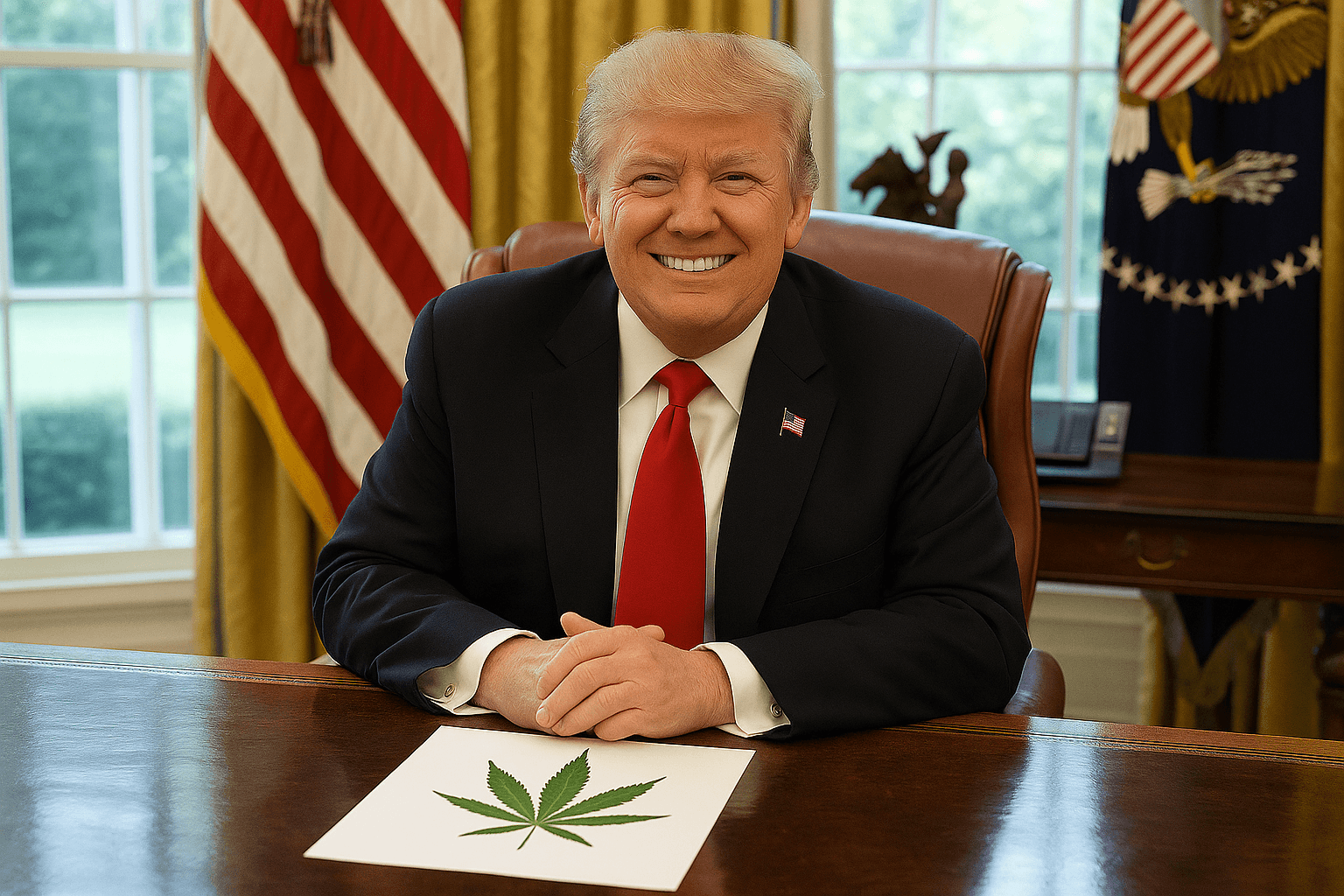
Sessions would not commit to vigorously enforce the federal prohibition, a position that falls in line with the Trump administration's policy on marijuana legalization.
During an appearance on the Fox News Channel, Trump spokesman Sean Spicer said regardless of Sessions' personal views on marijuana, he would adhere to the president-elect's position on the matter, which has mostly been open mindedness toward states passing their own marijuana laws.
“When you come into a Trump administration, it’s the Trump agenda you’re implementing and not your own,” he said. “I think Senator Sessions is well aware of that.”
“It is notable that Sen. Sessions chose not to commit to vigorously enforcing federal prohibition laws in states that have reformed their marijuana laws," stated Robert Capecchi, MPP's Director of Federal Policies. "He also recognized that enforcing federal marijuana laws would be dependent upon the availability of resources, the scarcity of which poses a problem. He was given the opportunity to take an extreme prohibitionist approach and he passed on it."
Capecchi also said:
“It's also promising that Donald Trump’s spokesperson said earlier in the day that the next attorney general would follow the president-elect’s lead on the issue. President-elect Trump has made it clear that he supports states’ rights to establish their own marijuana policies. Considering both Sen. Sessions and Mr. Spicer's comments, we remain cautiously optimistic that the incoming administration will continue the current policy of not interfering with individuals and entities acting in compliance with state marijuana laws.”
In 2016, marijuana sales hit $6.7 billion in the U.S. and Canada. That is a growth of 30% in a single year, larger than the dot-com boom of the early 2000s. As public support for marijuana legalization continues to grow, more states are likely to pass it, which will put greater pressure on the federal government to address its own prohibition.
Photo Credit: Rena Schild / Shutterstock.com

You Might Also Like