Why Non-Party Voters Should Vote in Same-Party Races

 Shawn M Griffiths
On September 23, IVN published an article about the same-party race in California's 25th Congressional District. The race, between Republicans Tony Strickland and Steve Knight, is just one of 25 same-party races in California in 2014, and one of five races between two Republicans.
Lee Rogers, a Democratic candidate in the primary election in CA-25, initially endorsed Knight, calling him an honest man with integrity. However, in September, Rogers withdrew his endorsement and said he was going to join other Democratic leaders in abstaining from voting in the general election.
Rogers is certainly not alone. In districts with same-party races, whether for the California Legislature or Congress, partisan politicians and voters who do not feel represented by the candidates in the race say they will not vote on Election Day.
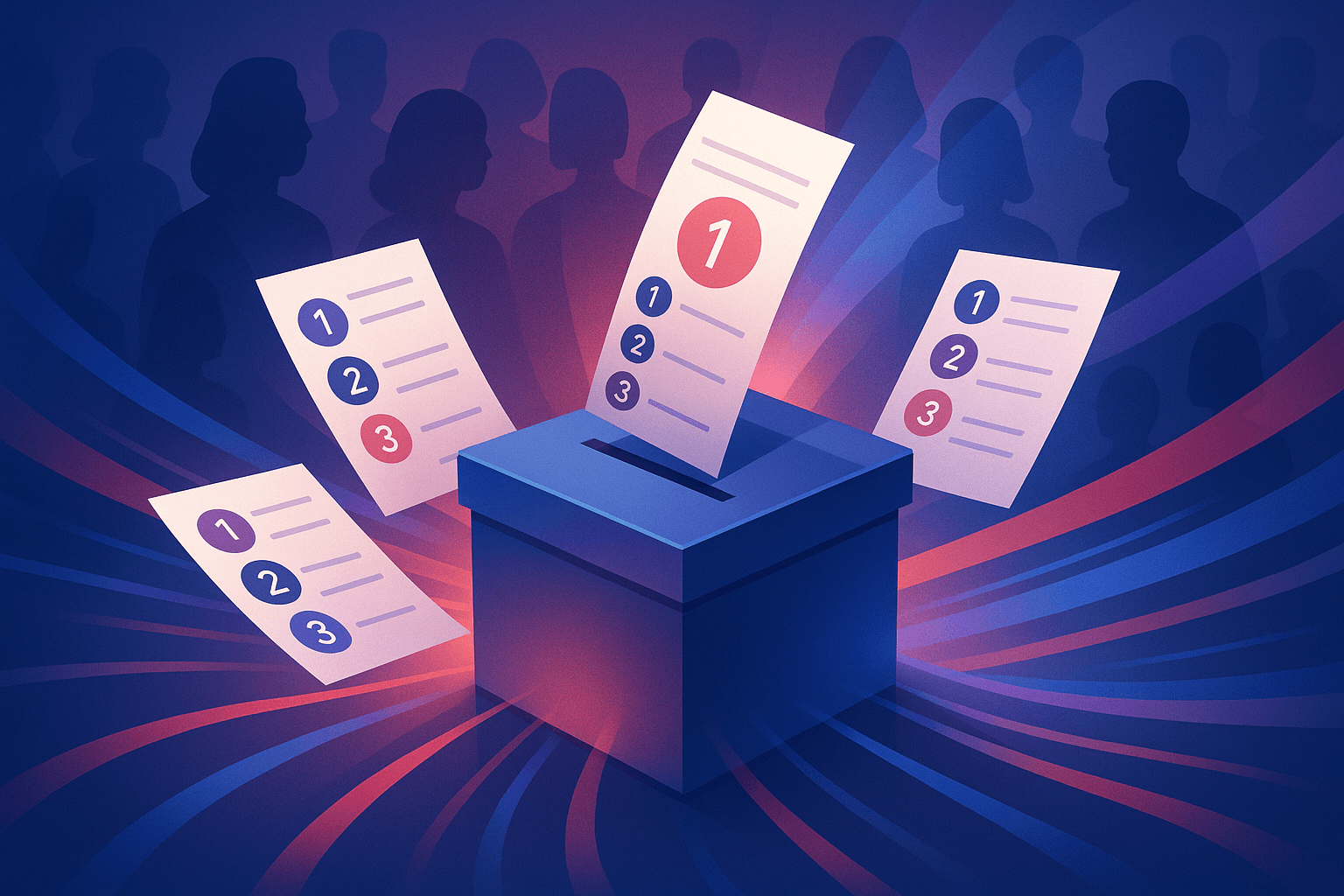
Same-party races are a possible byproduct of the nonpartisan, top-two open primary system passed by a majority of California voters under Proposition 14 in 2010. Under the new primary system, voters and candidates, regardless of party affiliation (or lack thereof), participate on a single ballot and the top two vote-getters in a race move on to the general election.
In districts that heavily favor candidates from one party over another, the top-two primary system can produce general elections with candidates from the same party. This can also happen because one party has too many candidates in the primary, and vote-splitting allows candidates from the other party to advance.
Regardless, there is absolutely no reason why partisan voters should opt out of voting in the general election just because a candidate from their party is not on the ballot. In fact, because same-party races are more common in districts that heavily favor one party over another, voters not affiliated with the dominant party actually have a stronger voice in elections than they would have under the old election system.
Take, for instance, the hotly contested race in California's 17th Congressional District between two Democrats, U.S. Representative Mike Honda and challenger Ro Khanna. The seventeenth district is a Democratic stronghold. Current voter registration numbers show the district's voting population is 43.4 percent Democratic, 28.2 percent Republican, and the rest are independent or third-party voters.

Even after the latest round of redistricting, the seventeenth district didn't change much. In 2012, Honda beat Republican Evelyn Li with nearly three-quarters of the vote.
Under the old system, Democratic incumbents didn't need voters outside their party to win, because voters not affiliated with the Democratic Party are not all going to vote for the same candidate. Republicans would most likely vote for the Republican in the race, but unless most independents and third-party voters also got behind the Republican, the Democrat wins each and every time -- making votes cast for other candidates inconsequential.
However, since voters outside the Democratic Party actually make up a majority of the electorate and Honda and Khanna are going to split the Democratic vote, voters outside the party will decide who wins in the 2014 general election. Republican votes, independent votes, and third-party votes not only matter, they will have an equal impact on the election. Every vote will count in determining the winner.
Not only that, but candidates will have to appeal to a broader segment of the voting population than just voters in their own party. As seen in the recent debate between Khanna and Honda, these candidates need to show voters that they will represent their district and its constituency, and not just their party.
Elections have become so partisan focused nationwide that we have forgotten that they are supposed to be about giving every voter an equal voice -- not disenfranchising every voter who does not belong to one of the major parties or both major parties. The Republican and Democratic parties, along with many third parties, argue there was more choice under the old system in the general election, but what good is more choice if a person's vote doesn't really matter?
Major parties like giving voters the illusion of choice because it diminishes voting power even more. Remember the 2000 election when voters had 6 choices (counting the Democratic incumbent) in the congressional election in District 17 and the Democrat still took nearly 70 percent of the vote?

Third party leaders either don't see that they were being used under the old system or willingly choose to ignore it because all they care about is getting their party's name on the general election ballot and whatever attention may have come with it. They don't seem too concerned that voters affiliated with their party didn't have much power in elections, especially in electoral districts that heavily favor one party over another.
Now, for the first time, these voters have real power in all integral stages of the election process (from the primary to the general election), and they don't have to change party affiliation to feel like their vote matters or to be given equal voice in elections. Voters outside the Democratic Party or outside both major parties don't have to sacrifice rights guaranteed in the U.S. Constitution to make a difference in elections.
You Might Also Like