Gay Marriage Rights Extended in 5 States after SCOTUS Rejects Appeals

 Shawn M Griffiths
The Associated Press reports that the Supreme Court on Monday rejected to hear the appeals of 5 states in an effort to keep their bans on same-sex marriage. Marriage rights will immediately be extended to gay and lesbian couples in Indiana, Oklahoma, Utah, Virginia, and Wisconsin.
In addition to ending the delay on marriages in these states, according to the AP report, same-sex couples in 6 other states may be allowed to get married soon as well after federal courts struck down marriage bans in several states earlier this year. This would make same-sex marriage legal in 30 states, plus Washington, D.C.
However, the issue of same-sex marriage remains unresolved. While the justices of the high court refused to hear these appeals, they have not ruled on what federal legal protections same-sex couples have under the U.S. constitution to marriage, leaving the matter unresolved in the United States.
The Supreme Court did not comment on why it rejected the appeals.
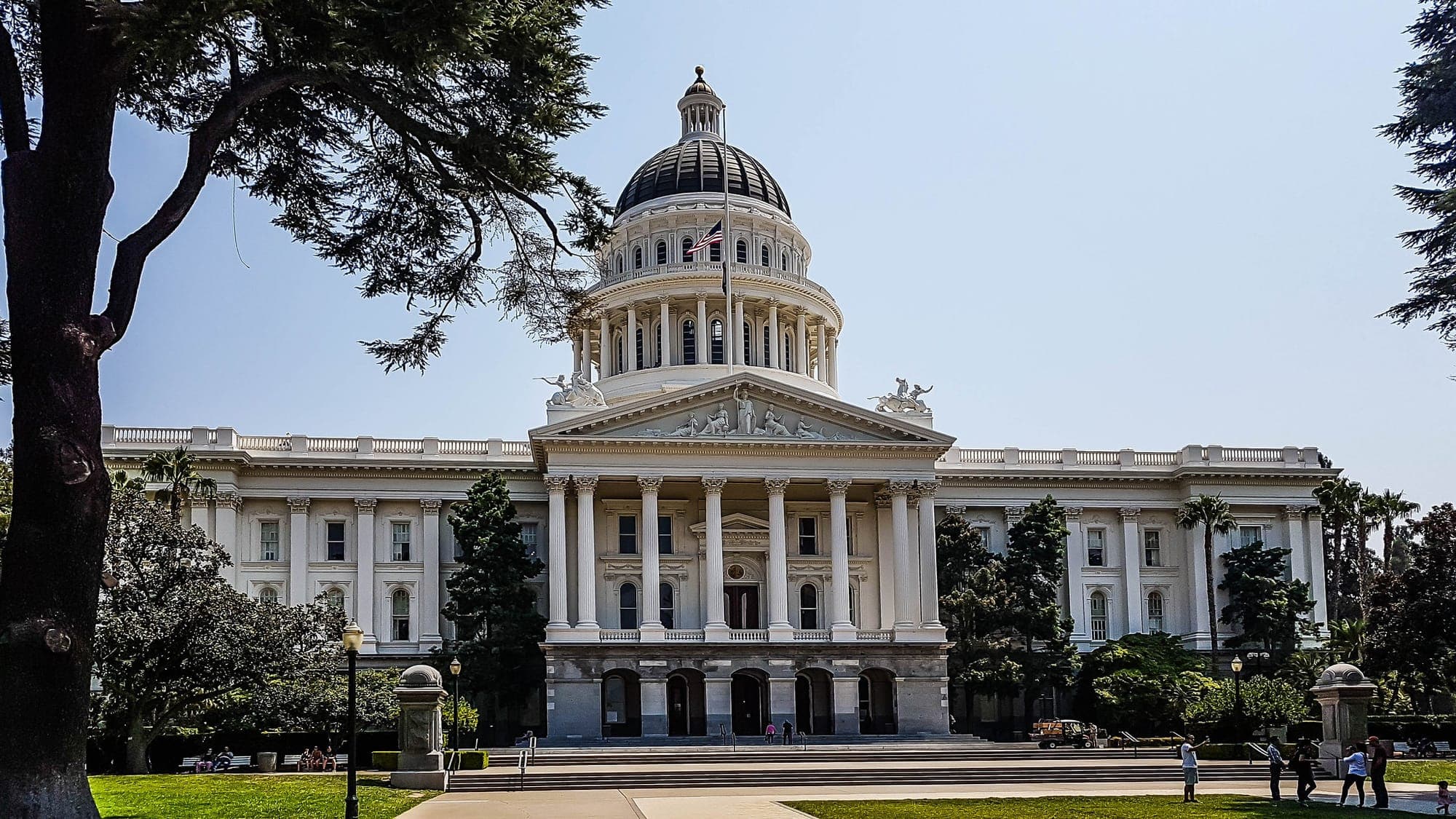
Photo Credit: Brandon Bourdages / shutterstock.com
You Might Also Like