 Shawn Griffiths
Credit: Wikimedia Commons
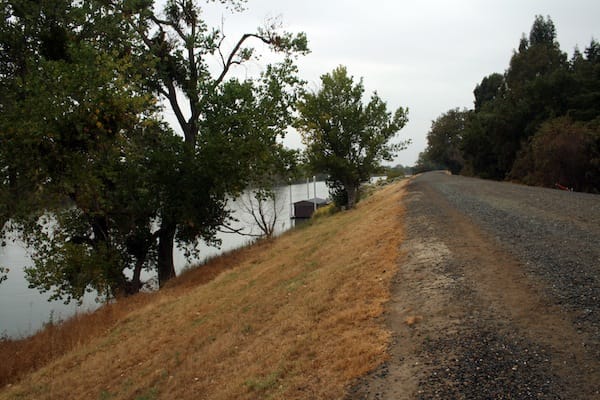
Senator Barbara Boxer's levee bill, titled the "Water Resources Development Act," passed the Senate on Wednesday with overwhelming bipartisan support. The bill would authorize the Natomas Levee Improvement Program and several projects headed by the Army Corp. of Engineers nationwide to prevent floods and protect citizens from storms.
Only fourteen senators voted against Boxer's bill. As politically polarizing as Congress has been over the last couple of legislative sessions, it is impressive to see Democrats and Republicans come together to support a bill.
However, not everyone is happy with the current language of the bill. Boxer wrote the Water Resources Development Act specifically to appeal to Republicans and many environmentalists are not satisfied with the way it turned out.
If passed, the bill will streamline the environmental review process. Lawmakers who want to cut down on costs whenever the opportunity presents itself argue the current review process inevitably leads to delays and additional costs.
In order to gain support from enough fiscal conservatives, the language of the bill cuts down on any potential cost increases for these water resource projects. The bill already comes with a $12.5 billion price tag, which may seem relatively small when compared to the overall federal budget, but is something many Republicans would be reluctant to support when the discussion turns to the possibility of additional costs.
Environmental and wildlife organizations are concerned that expediting the environmental review process will inevitably lead to inadequate, misleading, or incomplete analysis of the impact a water resources project will have on the surrounding ecosystem.
"Unfortunately, language in this bill undermines the bedrock environmental principle that the federal government should look before it leaps," Larry Schweiger said in a statement. Schweiger is the president and CEO of the National Wildlife Federation.
The Water Resources Development Act now moves on to the U.S. House of Representatives. Though it is likely to face more resistance in the House, it is unclear whether or not House Republican will share the same willingness to support the bill as many Senate Republicans.