
 Chad Peace
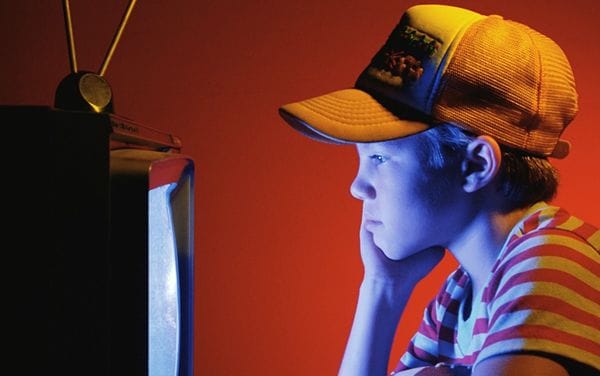
The latest Rasmussen Reports Poll shows that, while 55% of voters are seeing more negative political ads, most are actually less likely to vote for the candidate who ran them. And 44% of voters aren't even seeing them. Most political consultants would argue that they've done all the focus polling and that when it comes down to actually voting, this just isn't true: people will vote for the guy who runs the negative ad for the fears they've created about the other.
What is not communicated between consultants and their clients (the candidates) is that these focus polls are conducted after ads and messaging have already been produced. This is the reality of the political world we live in today. Consultants universally agree that negative ads work. Therefore, they all run negative ads. The guy who wins ran negative ads because everyone ran them. So, conclusion: negative ads work ... cycle repeats.
So when we get to the focus groups the consultants try to prove, rather than test, that their negative messages works. If the focus group responds negatively to the negativity, they conclude: "Well, they must be lying." Or, "They say that here, but not when they go to the polls."
Coming up with negative messages is easy and fun. The reality is that negativity has become so institutional in the small circles that control the political dialogue that many of them don't even know what a campaign of persuasion even is, let alone how to write the messaging for them.
So what we end up with is: conductors (consultants) prove that negative ads work, tons of money is spent putting the ads on the airwaves that less and less people are seeing, and those who see them don't like them. But they're just lying.
From Rasmussen:
Most Americans are paying at least some attention to political advertising on TV this year and think it’s more negative than in previous years. But most also are less likely to vote for a candidate who runs a negative ad. A new Rasmussen Reports national telephone survey finds that 55% of American Adults who watch television at least occasionally say they pay attention at least somewhat closely to political advertising. This includes 26% who follow the ads Very Closely. Forty-four percent (44%) aren’t following the televised ads, with 13% who don’t watch them at all.