Drought Worsens as Congress Moves to Pass Relief Measure

 Heather Rogers
Credit: usnews.com
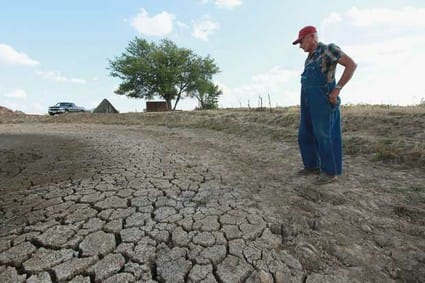
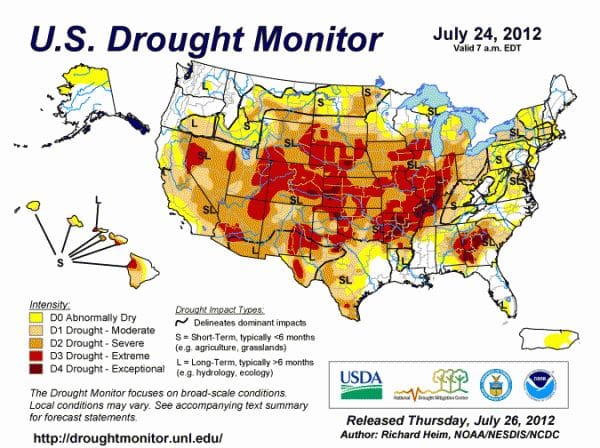
The drought that has been plaguing vast areas of the nation this summer, has intensified dramatically over the past week according to the U.S. Drought Monitor. The unrelenting heat and dryness of the regions most severely affected has caused the increased drought conditions stretching across 29 states. Drought Monitor author, Brian Fuchs, stated that the recent jump is the highest ever recorded since the inception of the nation’s drought monitor.
The states in which drought conditions have been most dramatically on the rise are Illinois, Iowa, Missouri, Indiana, Arkansas, Kansas and Nebraska, along with parts of Wyoming and South Dakota. In Illinois, extreme drought conditions went from covering 8% of the state to 70% in the past week alone. Similarly, Nebraska saw a jump from 5 percent to 64 percent during the same time.
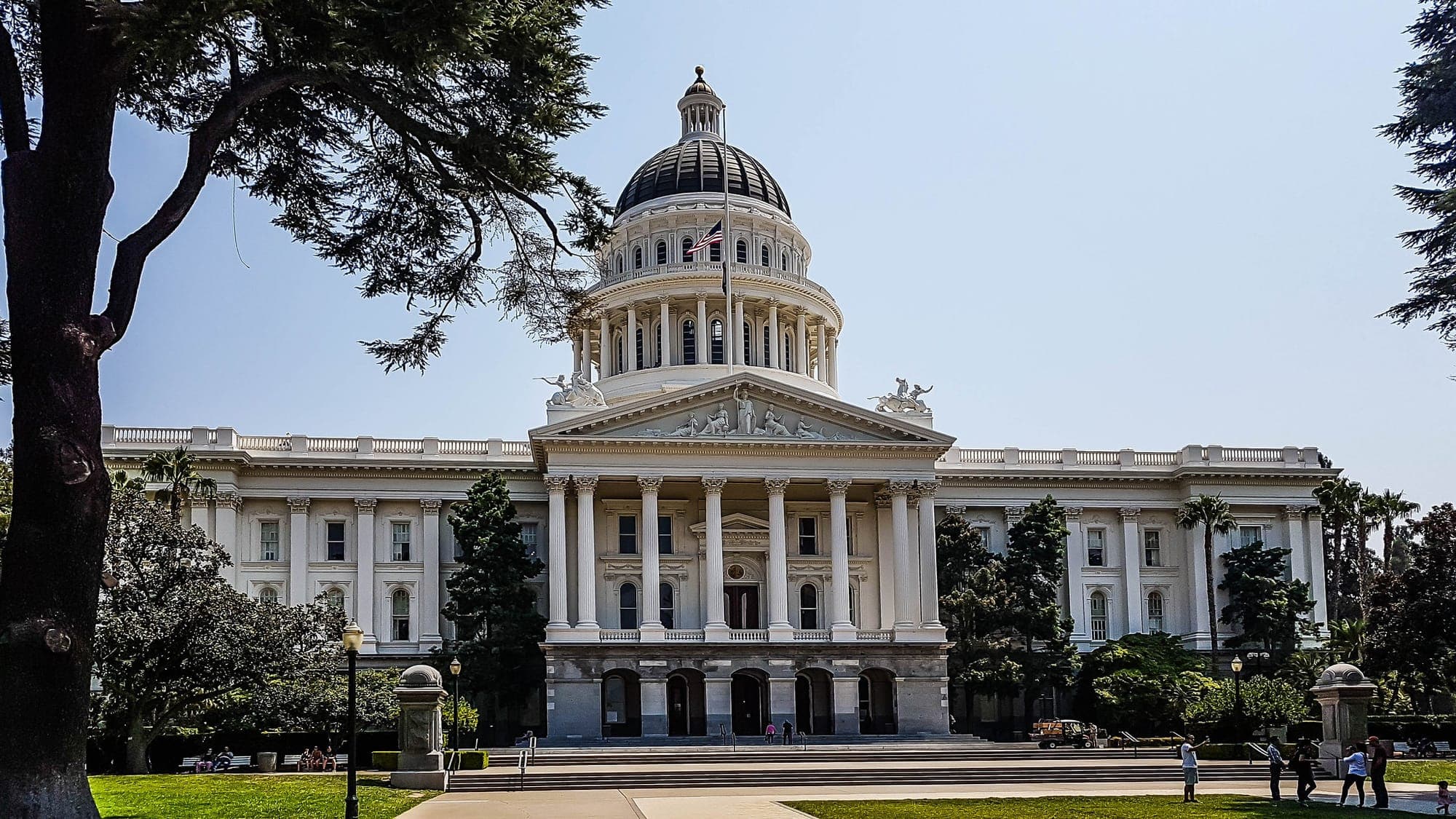
In response to the drought’s adverse affects on agriculture, and range land, House Republicans are compiling an emergency relief measure for livestock producers.
Agriculture Committee Chairman, Frank Lucas, explains this will be accomplished by transferring as much as $300 million from other U.S. farm programs. Congress is in a rush to vote on the emergency drought relief measure before its August recess beginning next week. Credit: www.drought.gov
The House Agriculture Committee passed the 2012 farm bill in July which has faced both Republican and Democratic opponents but has yet to move forward in the Senate. Critics of the farm bill argue that it spends too much on farm subsidies and food stamps. Proponents contend that it must be passed quickly in light of the current drought because it will extend expired disaster aid programs. If the farm bill is not passed before the August recess, Congress, eager to provide aid to farmers, will vote on a smaller emergency relief measure. Many members of the house argue that the farm bill should be passed in order to provide emergency aid and not an additional relief measure.
Whatever the response of Congress, the country is bound for significant consequences from this widespread drought. As the worse drought experienced in this country since the 1950’s, the U.S. government said this week that it expects food prices to increase noticeably next year. Prices of beef, chicken, and pork will most markedly rise. Corn, the staple product in the feed of these animals, has been greatly affected by the drought. According to the New York Times, over 88% of the nation’s corn crops have been damaged so far. Beef is expected to increase in price by 4 to 5 percent in 2013.
Aside from agricultural problems, the severe drought conditions will likely take a toll on energy production within the U.S., threatening oil and gas production and possibly forcing power plants to shut down. Hydraulic fracturing methods used in the extraction of natural gas, require large amounts of water, and water is exactly what is most lacking in times of drought.
Limited water supplies, brought power plants to the verge of shutting down during the extreme droughts of 2008. The current drought is much worse than the one of 4 years ago and therefore risk of shutdown is greater. Farmers and power plants are currently competing for water across the Midwest.

We will continue to report on the developments of the drought and the actions of Congress in the coming weeks.
You Might Also Like