Al Jazeera Documentary on SOPA, PIPA and Internet Regulation
By Chad Peace on 08/08/2012 in aljazeera, censorship, cyber, cyber attacks, Fault Lines, Faultlines, internet, PIPA, Reddit, Sebastian Walker, SOPA, terrorism, us, US internet, youtube with 1 CommentRead Time: 2 - 2 minutes
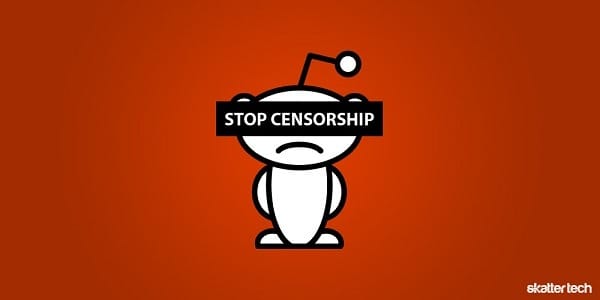
Fault Lines, a new documentary from AlJazeera takes a look at the internet regulation battle that we don’t hear much about on our regular news channels. they take a deep look into the dynamic battle over cyber security. A battle occurring between Hollywood, Congress, and the internet. The document credits sites like Reddit, WordPress, and Wikipedia for spreading opposition to bills like SOPA and PIPA rapidly; raising awareness that blindsided Hollywood and the massive lobbyist with the Motion Picture Association of America (MPAA).
The document also covers the Anonymous phenomenon describing them as a people that came out of 4Chan. They describe 4Chan users as crazy, rude, full of grotesque pictures, but also very creative, with “some wonderful things to offer.” Above all though, they recognize that, among 4Chan and the Anonymous crowd, “freedom to express [is] a core value.” Therefore, when SOPA and PIPA threatened them with internet regulations, Anonymous became politicized.
“In January 2012, two controversial pieces of legislation were making their way through the US Congress. SOPA, the Stop Online Piracy Act, and PIPA, the Protect Intellectual Property Act, were meant to crack down on the illegal sharing of digital media. The bills were drafted on request of the content industry, Hollywood studios and major record labels.
Fault Lines looks at the fight for control of the web, life in the digital age and the threat to cyber freedom, asking if US authorities are increasingly trying to regulate user freedoms in the name of national and economic security.”


Leave Your Comment →
1 Comment
John Smith
08.09.2012
@John Smith
While a fascinating documentary, I’m afraid that it dismisses too easily the concerns of advocates for strong copyright (or cyber security) laws. The theory, presented often in this documentary, that the Internet should not be regulated is absurd. How is it that we acknowledge the right of the government to regulate the world offline (including the creation and distribution of counterfeit/pirated products), yet the moment I go on my iPad and connect to MegaUpload the same government that regulates the food I eat, the car I drive, and the house in which I reside cannot protect content producers from theft?
One of the individuals interviewed on the documentary stated unequivocally that Internet piracy is a method of speech, and as such to regulate Internet piracy would be to infringe on our freedom of speech. Even granting her premise that piracy is an exercise of speech on the Internet that does not automatically make it protected speech. Theft is not a constitutionally protected action, and to suggest such is a disturbing rationalization of the bad and creates an absurd separation between actions made online and those made offline.
There are numerous other issues that I could have raised with the “internet activists”, such as Anonymous, in the area of IP Protection; however, it is this rationalization that struck me most.