Greenbelt Voters Deliver Overwhelming Win for Ranked Choice Voting in Maryland
 Shawn Griffiths
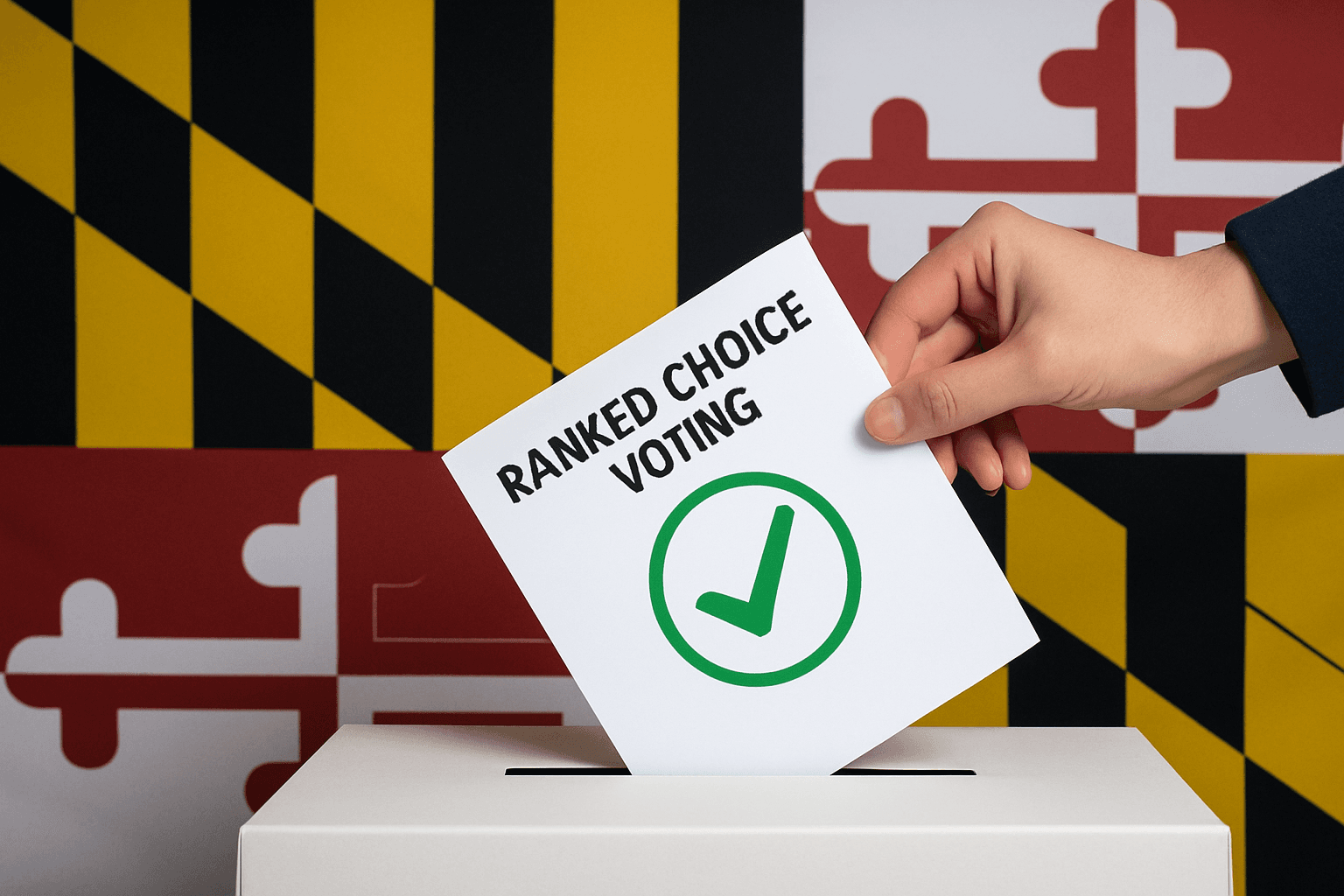
GREENBELT, Md. - With the national media focused on elections in New York City, New Jersey, Virginia, and California, one overlooked story was the expansion of ranked choice voting on Tuesday as Greenbelt, Maryland, joined the dozens of U.S. cities that have adopted and already use the reform.
Greenbelt voters approved Advisory Referendum 1 on November 4 by a 2-to-1 margin (specifically 67% of the vote), which paves the way for ranked choice voting (RCV) in future city council elections. It is the second city in Maryland to adopt the reform.
A newly elected city council will be seated on November 10 and will be responsible for turning the referendum into law.
“Greenbelters took a big step forward for representative democracy,” said Michelle Whittaker, Executive Director of Ranked Choice Voting Maryland.
Voters will have a stronger voice in electing candidates to the council, and communities that have been underrepresented will have the opportunity to have a seat at the table.”
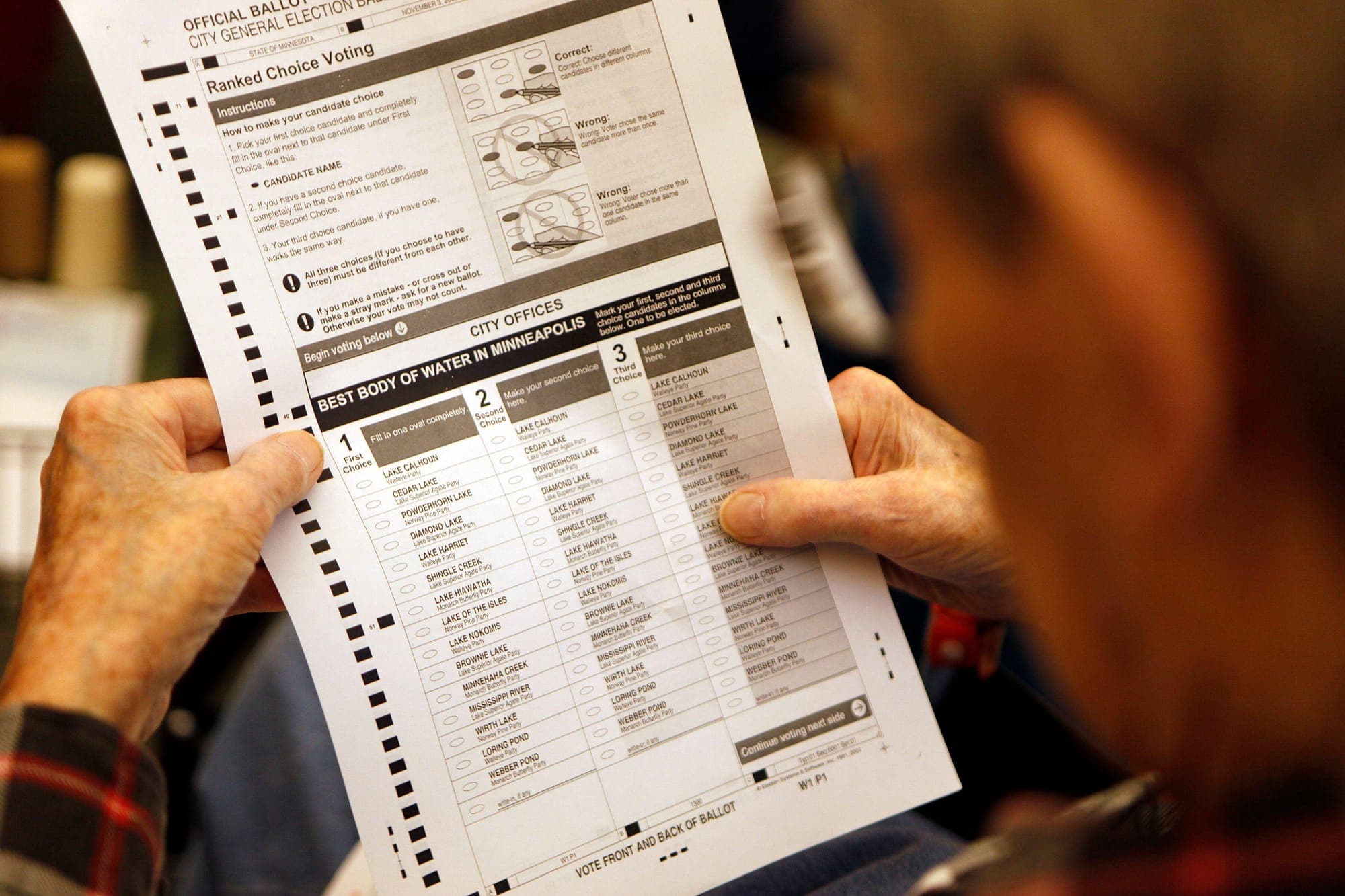
RCV allows voters to rank candidates on the ballot in order of preference – first choice, second choice, etc. Advocates argue that this better reflects the will of the majority.
The reform is used in more than 50 cities, counties, and states, representing 17 million voters nationwide. Wherever it’s been implemented, exit polling consistently shows voters find the system easy to use and prefer it to the old “pick one” method.
In most RCV systems used in the U.S., a candidate can win outright in a single-winner election if they get at least 50%+1 of first choice selections. If no one does, then the last place candidate in the race is eliminated and their voters’ next choices are applied to the results.
Subsequent rounds of “instant runoff” like this occur, as needed, until a single candidate has a majority of voter preferences.
In Greenbelt’s case, RCV will replace the current at-large plurality system with proportional RCV – meaning multiple candidates will win council seats in a single election by meeting the required vote threshold. For the city’s 7-member council, that threshold is 12.5%.

Supporters say this means:
- More representative outcomes — majority rule with minority voice
- No more vote dilution or “spoiler” fears
- Nearly every voter will help elect at least one councilmember
“Ranked choice voting gives people more say over the direction of the city,” said Greenbelt resident and RCV supporter Emily Frais. “By replacing the city’s legacy voting system, we empower everyday people to create a more inclusive community.”
Greenbelt now joins Takoma Park – which approved RCV in 2007 – as the only Maryland cities to adopt the reform. The win follows a grassroots education effort led by Ranked Choice Voting Maryland, including a late-October rally featuring U.S. Rep. Jamie Raskin and Maryland State Delegate Ashanti Martinez.
With Question 1 approved, the city now begins the implementation phase, including legal updates, election-system adjustments, and continued community engagement to prepare voters and administrators ahead of the next local election.
As more Maryland communities evaluate how elections can better reflect the will of the people, reformers say Greenbelt’s victory could serve as a blueprint for others looking to give voters a stronger voice.
You Might Also Like