Colorado One Step Closer to Implementing Open Primaries

 Shawn M Griffiths
On Monday, the Colorado State Senate approved SB 305, a bill that guides the secretary of state on how to write the rules for the state's open primary system, approved by voters under Proposition 108 in November 2016.
Proposition 108, campaigned for by Let Colorado Vote and supported by Gov. John Hickenlooper, allows unaffiliated voters to participate on the party ballot of their choice during primary elections. Prior to its passage, Colorado used closed primary elections for all races, except president, which utilized a caucus system until voters reformed that as well under Proposition 107.
Now, all elections have a primary system that allows independent voters to participate.
However, as closing day to the current legislative session nears, debate among lawmakers about how to implement open primaries has gotten heated -- particularly over one provision included in the bill. The provision would instruct county clerks to make a record of which party independent voters participate in and then send the voter the same party's ballot each election that followed unless explicitly directed by the voter to do otherwise.
Supporters of the provision, including SB 305 sponsor Kevin Lundberg, say it is about election integrity and transparency:
"We need to know who votes in every election we conduct. And that’s a public record right now — and we haven’t changed that — and that has to be the case if there’s ever going to be a proper election audit or an election recount — and there will be audits and recounts, because elections are close and elections aren’t perfect," said Lundberg.
Some election officials, particularly in Denver and Arapahoe, have suggested that keeping a specific record of which primary ballot independent voters vote on wouldn't be necessary to administer and audit an election. Opponents of the provision claim it forces independent voters into de facto affiliation with a party, and even ran ads blasting the proposal.
In the end, Lundberg and fellow sponsor Steve Fenberg introduced an amendment that removed the provision from the bill, which was soon followed by a floor vote. The bill passed 30-5, sending SB 305 to the State House and one step closer to Gov. Hickenlooper's desk.
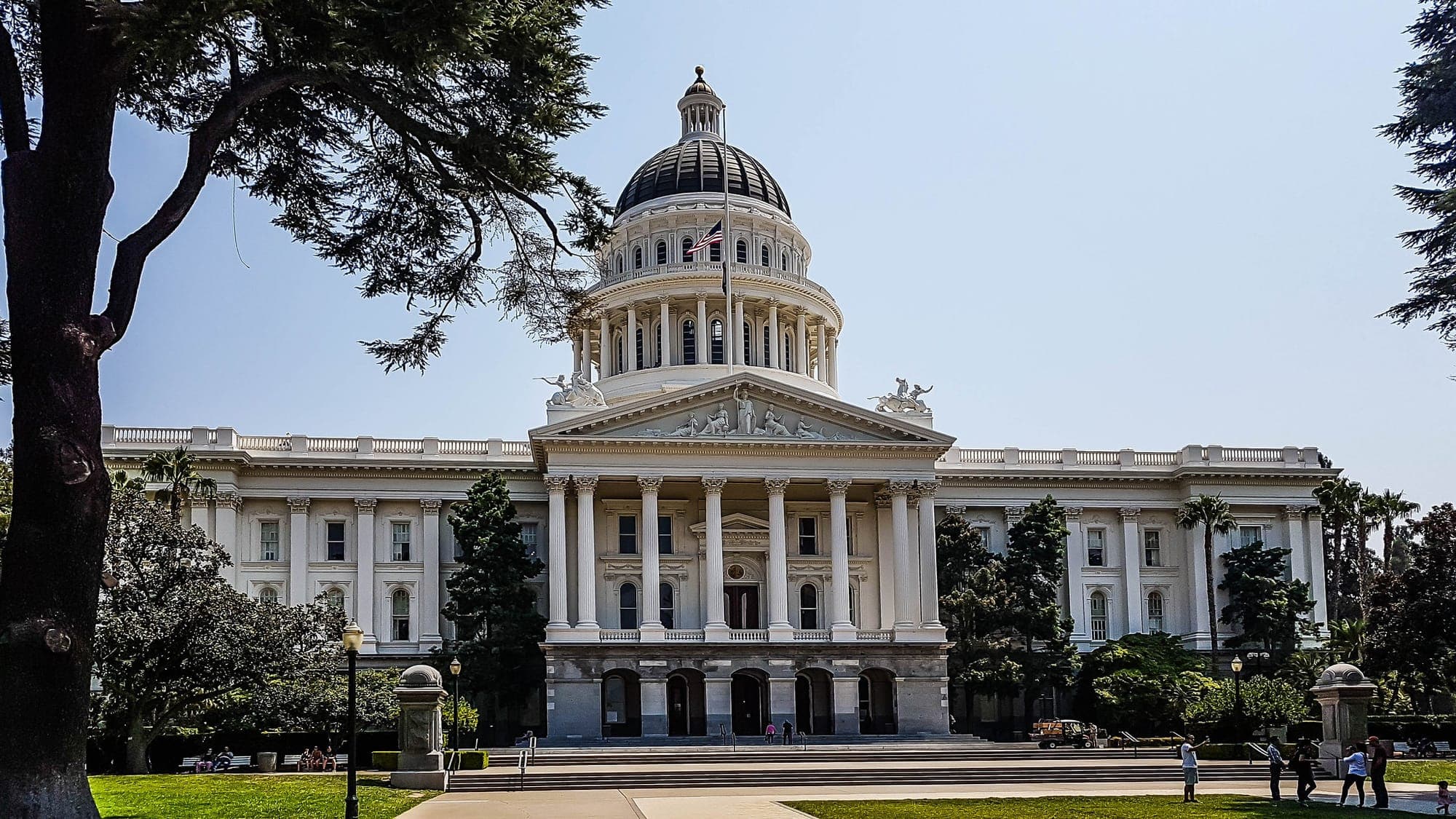
Photo Credit: Vepar5 / shutterstock.com

You Might Also Like