New Group Wants Non-Major Party Candidates in POTUS Debates -- To An Extent

 Michael Higham
However, a group of nearly 50 former elected and appointed officials is trying to change this.
"The informal group — which includes former Utah Gov. Jon Huntsman Jr., former CIA director and retired Gen. Michael Hayden, former Sens. Bob Kerrey and Joe Lieberman, former Gov. Christine Todd Whitman and retired Gen. Stanley McChrystal — argue in a letter released Tuesday night that the commission makes it nearly impossible for a third-party candidate to get invited to the presidential debates. And the absence of third-party candidates, they contend, ultimately harms democracy and serves only the interests of the two major parties," Politico reports.
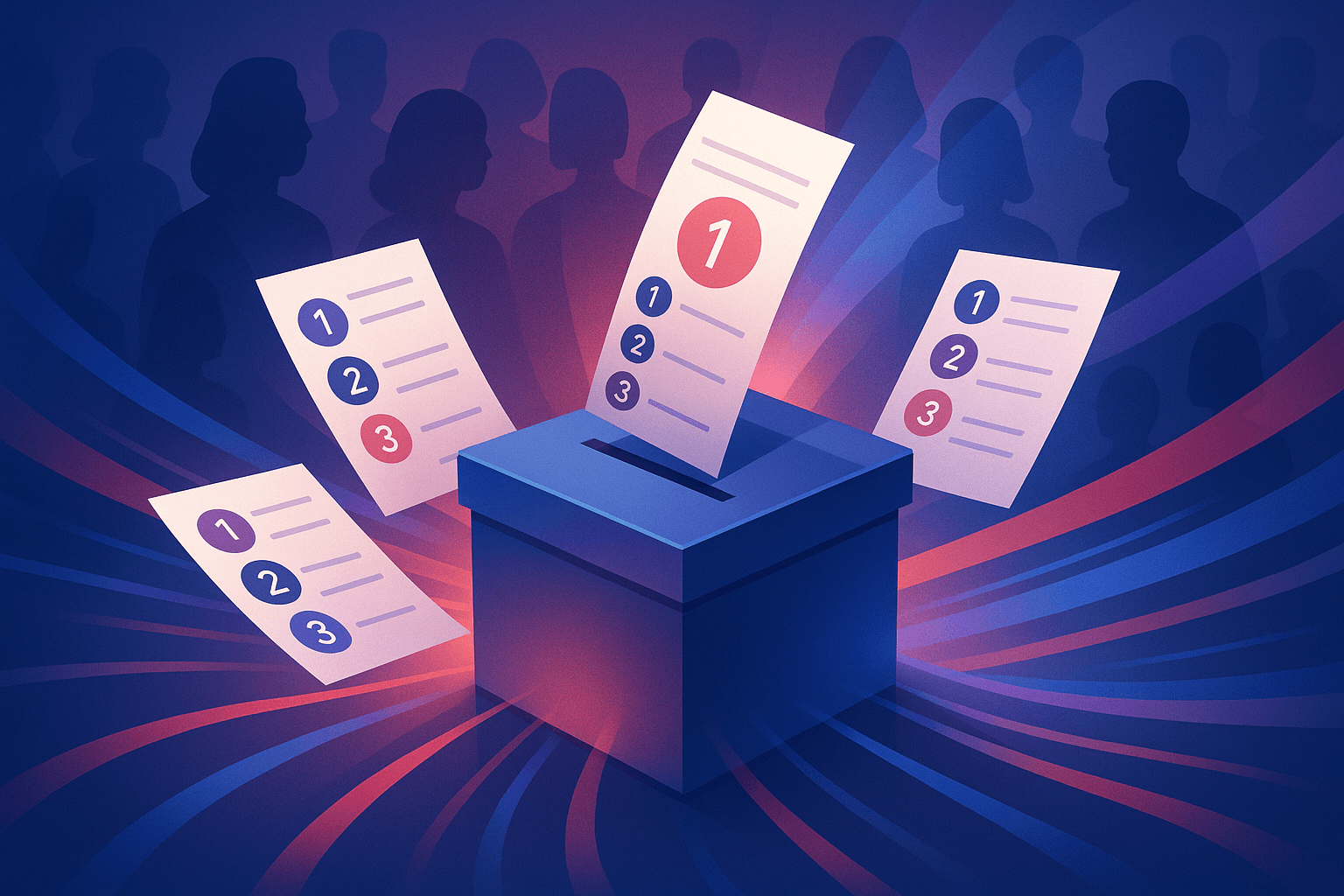
The "Change the Rule" campaign proposes a ballot contest. Independent and third-party candidates have to prove by April 30 of a presidential year that they will appear on enough state ballots that it is mathematically possible for them to get 270 electoral votes.
If more than one candidate outside the major parties meets this threshold, ABC reports, then "whoever gathered the most signatures as part of the access process would participate in the fall debates – a crucial and highly visible platform."
"[T]he American political landscape has changed over the last 23 years. A 2014 Gallup survey found that 42 percent of Americans identify with neither party, but as political independents – a record high. 'It’s not my line, but the fastest-growing party in America is no party,' said former Connecticut Sen. Joe Lieberman, a supporter of the initiative who last ran for Senate in 2006 as an independent after losing the Democratic primary. 'I grew up in the two party system and believe it did a good job of coalescing minority groups of opinion,” he said. “But it’s ceased to do that. The parties have become increasingly homogenous.'" - ABC News
Read the full ABC News report here.
So, the "Change the Rule" campaign is proposing opening the debates to candidates outside the major parties -- but only to an extent.
Instead of just two people on the stage, there would be three, which would be an improvement from the current debate format, but why should only one candidate represent the plurality of Americans who choose not to identify with either major party? This doesn't seem to change the current paradigm that says there are Republicans, Democrats, and then everyone else.
You Might Also Like