Credit: muckrack.com
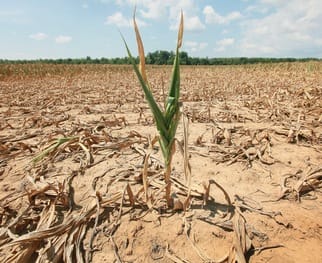
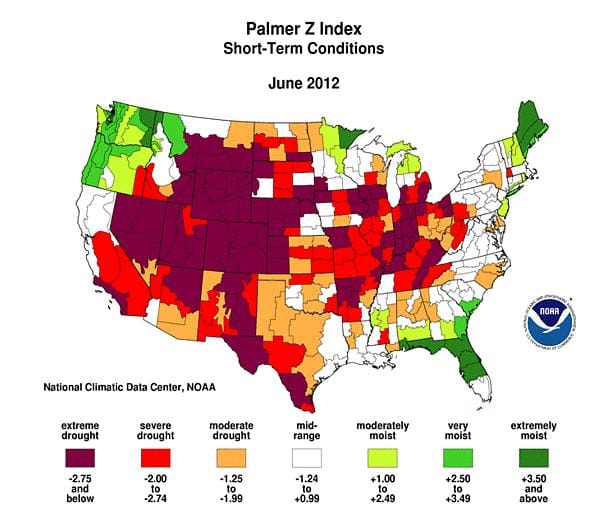
Last month saw widespread drought across the United States, as 54.6% of the country experienced drought conditions. According to a recent report from the Washington Post, last month’s drought easily makes it onto the list as the most expansive drought in the United States since the 1950’s. Currently, more than 80% of the land surface throughout the country is abnormally dry.
Droughts occur on a regular basis throughout the United States. With growing evidence of global warming, however, there exists the looming possibility of droughts growing in frequency. The most severe drought faced in the U.S. was at the peak of the dust bowl in July, 1934. During that month, more than 79% of the country experienced drought conditions. What makes recent droughts different than those of the past is that they are being linked to overall planet warming. Credit: Wisconsin News
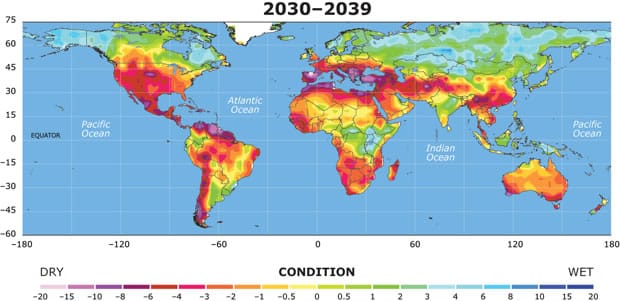
Though controversy still surrounds global warming, the planet is facing greater amounts of carbon emissions than ever before in Earth's history. Whether or not these factors play a role in generating current droughts has yet to be proven. Scientists have determined human activity has caused overall planet temperatures to increase by 0.8°C above pre-industrial levels. This increase in temperature is slated to continue to mount, as the International Energy Agency reports, and the planet is on course to see an increase of global temperatures by 6°C by the end of this century.
What does an increase in temperature mean for global conditions? Temperature increases causing more frequent droughts, which will most greatly affect the agriculture industry. Already, this year’s drought has caused concern over food prices. Secretary of Agriculture Tom Vilsack has cautioned that the price of food will increase in 2013.
The United States is the world’s largest exporter of corn and soybeans. According to the Washington Post, “Right now, U.S. corn and soy production appear to be wilting under the heat—the Department of Agriculture has cut its corn-production estimate by 12 percent. If output ends up falling, that would raise the price for corn, for biofuels, as well as for beef.”
While corn and soy have been and will be affected by the harsh weather faced across the country this summer, rice and wheat production has yet to falter.
Though farmers are coping with the current drought situation for now, increase of widespread droughts will make their position more dire. Better farming techniques and reformed water allocation policies will be need to be implemented in the near future to combat droughts. Credit: thinkprogress.org