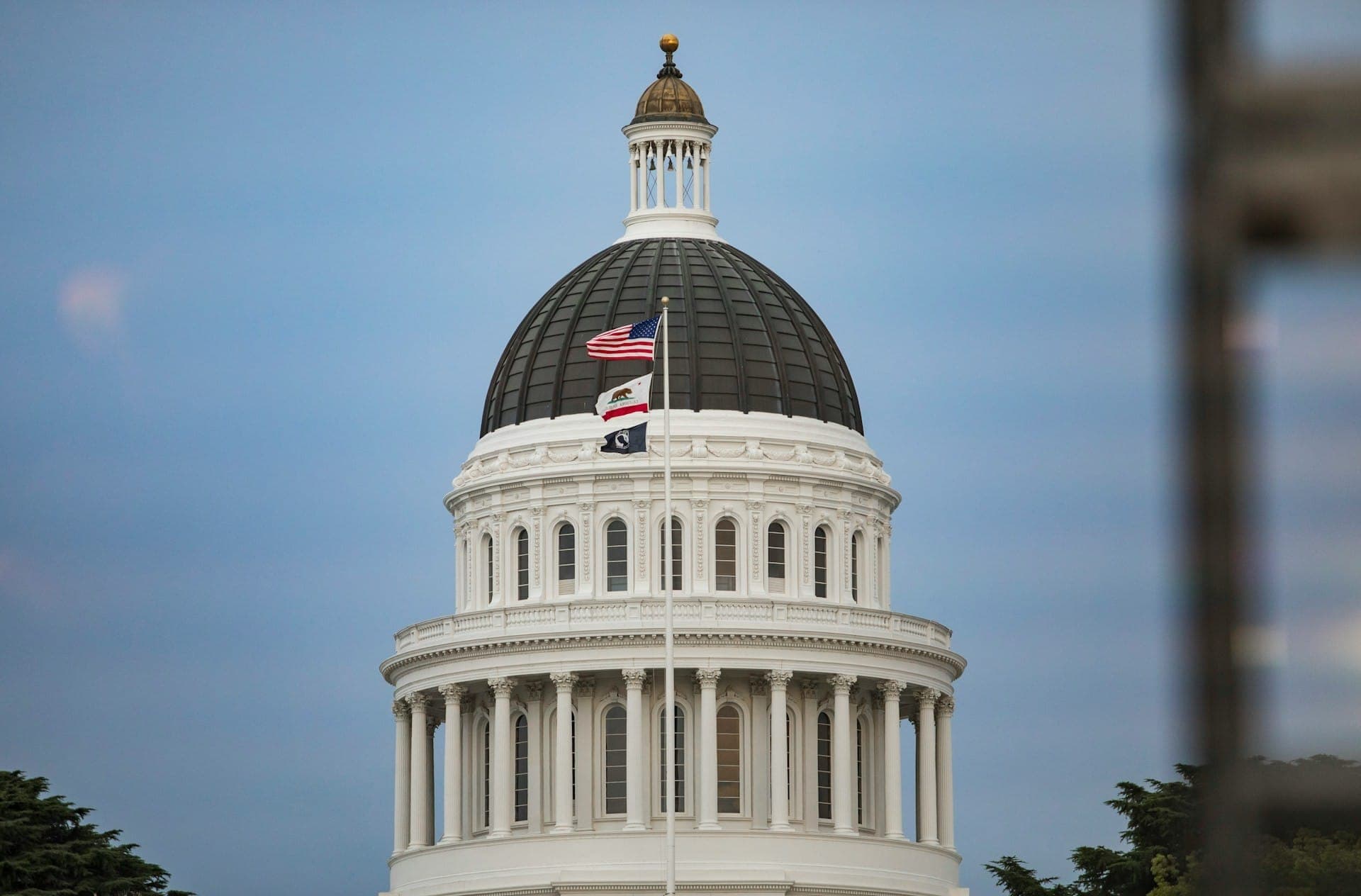
Riverside County official endorses formation of South California, the 51st State

 Chris Hinyub
This weekend, Riverside County Supervisor Jeff Stone unveiled a plan for thirteen counties in Southern California, excluding Los Angeles and Ventura counties on the coast, to secede from the Golden State and form a 51st state. His announcement came on the same day that Gov. Jerry Brown signed legislation that will divert $14 million in revenue from Riverside County.
The new state, which Stone calls "South California" would include Riverside, Imperial, San Diego, Orange, San Bernardino, Kings, Kern, Fresno, Tulare, Inyo, Madera, Mariposa and Mono counties. Stone said that the new state would have constitutional limits on property taxes, no term limits, and a part-time legislature. Venting frustration at Sacramento, he also argued that:
"The creation of the new state would allow officials to focus on securing borders, balancing budgets, improving schools and creating a vibrant economy."
The exclusion of Los Angeles and Ventura counties is in line with Jeff Stone's stated goal of seceding from the "liberal arm of California." Five of the thirteen proposed counties voted "blue" in the 2008 presidential election, and only two of them, Mono and Imperial, voted Democrat in 2004. One popular conservative Southern California blogger who goes by the moniker "Left Coast Rebel," wrote in favor of the plan:
"Many of us So-CAl business owners/tax payers/limited government proponents think (rightfully so) that Sacramento is broken beyond repair. Secession from California and formation of a 'South California' would undoubtedly create a highly prosperous wealth-creating Hong Kong-esque hub set free from the choking tentacles of the progressive wealth-spreaders, welfare-state metropolis's of Sacramento, San Francisco and Los Angeles."
When asked for comment, Brown spokesman Gil Duran told The Press-Enterprise, "A secessionist movement? What is this, 1860?" And Bob Buster, another Riverside County Supervisor called the idea a "crazy distraction" from the real issues and local problems faced by residents of Riverside County.
The plan is certainly far-fetched, as the U.S. Constitution requires under Article IV Section 3 that any would-be state which attempts to form within the jurisdiction of an already existing state obtain the consent of both the state concerned and the United States Congress:
"New States may be admitted by the Congress into this Union; but no new States shall be formed or erected within the Jurisdiction of any other State; nor any State be formed by the Junction of two or more States, or parts of States, without the Consent of the Legislatures of the States concerned as well as of the Congress."
Still, the 1860s jab and its associations with racism and slavery aside, a serious call for secession from a county supervisor in Southern California might show just how desperately at least one of California's local officials wants to be rid of Sacramento's perennial dysfunction.
You Might Also Like