Why Rand Paul Calls Trump's Tariffs a Harmful Tax on Americans
 Shawn Griffiths
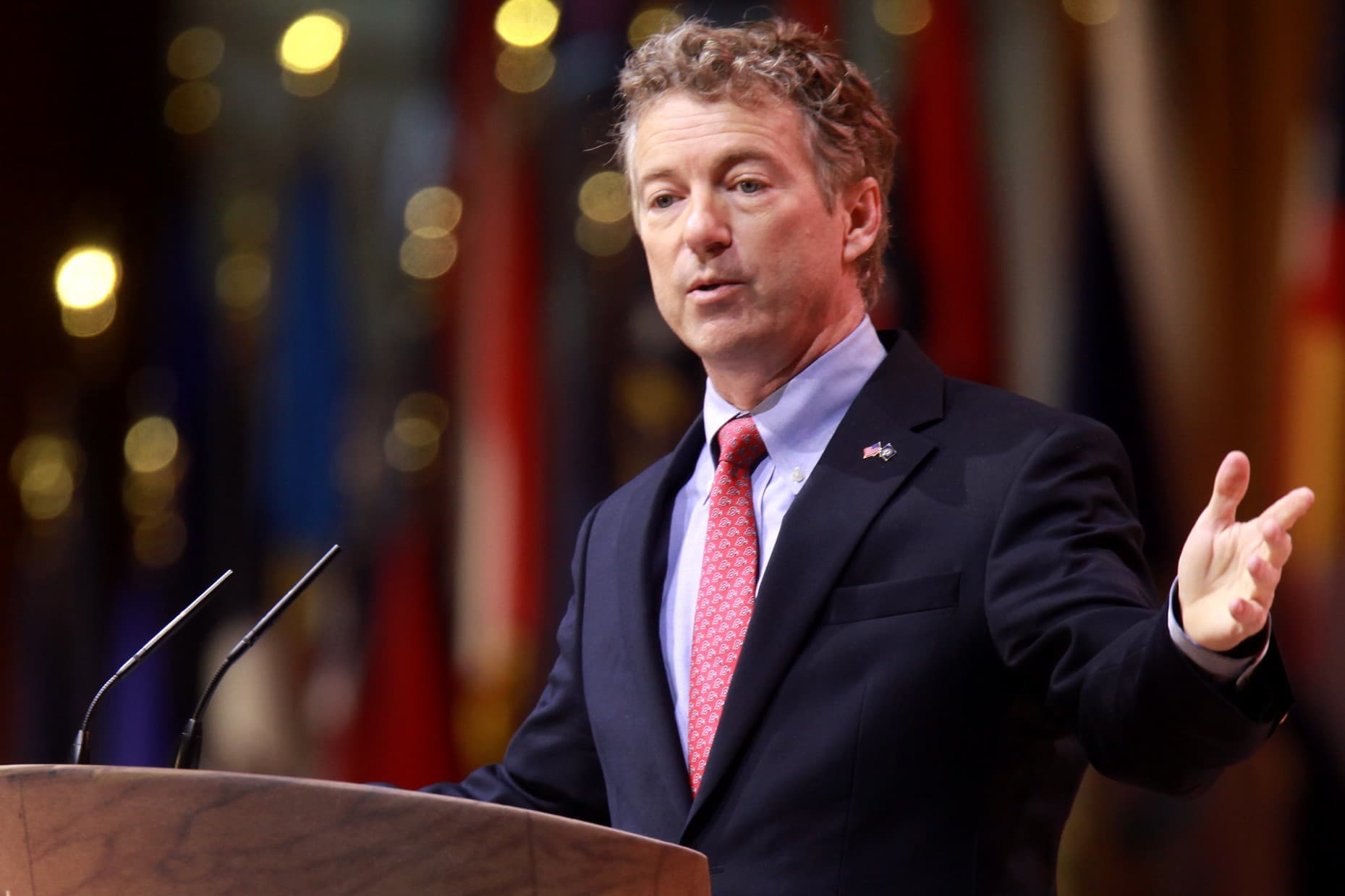
Washington, D.C. – Republican Senator Rand Paul has once again voiced his strong opposition to tariffs imposed by former President Donald Trump and has joined a handful of Republicans willing to vote against them in the Senate.
Paul, a staunch libertarian and advocate for free markets, argues that tariffs lead to higher prices, disrupt economic growth, and provoke retaliatory measures from trade partners.
Fundamentally, he argues, they act as an additional tax on the American people.
“A tariff is simply a tax, and the people who pay it are American consumers,” Paul stated in a 2018 interview. “Taxing trade will mean less trade and higher prices.” His position hasn't changed in the 7 years since.
One of Paul’s primary concerns has been the impact of tariffs on American farmers and manufacturers. Not only do tariffs hurt these groups, but the government ends up having to provide financial aid to protect them.
For example, in 2018 and 2019, the Trump administration imposed tariffs on Chinese goods. The Chinese retaliated with its own tariffs, including on US agricultural exports like soybeans, pork, and dairy.
The US Department of Agriculture then created the Market Facilitation Program. Under this program, the federal government provided over $28 billion in aid to farmers between 2018 and 2020.
“If tariffs punish farmers, the answer is not welfare for farmers—the answer is remove the tariffs,” Paul said.
There is more to Paul's position than economic concerns. He also believes that the executive branch has long overreached on trade policy and has pushed for Congress to reclaim its authority over tariffs.

Further, he doesn't believe the government should impose on a free market.
“I don’t think we should be in the business of picking winners and losers in the marketplace,” Paul stated. “Trade should be driven by the decisions of individuals and businesses, not by government mandates.”
The Trump administration defends tariffs as a means to counter unfair trade practices. The president also says the newly imposed tariffs "give us great power to negotiate" if countries make a "phenomenal" offer.
Paul, however, asserts that it is an "economic fallacy that they help us."
He and other free-market conservatives argue that the unintended consequences — such as increased costs for businesses reliant on imported goods — far outweigh the benefits.
You Might Also Like