California Seizes $123.5M in Illegal Cannabis in Largest-Ever Enforcement Operation
 Cara Brown McCormick
SACRAMENTO, CALIF. - In its largest coordinated crackdown to date, California’s Unified Cannabis Enforcement Task Force seized more than $123 million worth of illegal cannabis during a sweeping, multi-agency operation across the Central Valley.
The actions announced Tuesday are expected to significantly disrupt the illicit cannabis market.
The week-long effort, conducted in early May 2025, involved more than 200 officers and personnel from 15 local, state, and federal agencies. Teams executed 71 search warrants across Kern, Kings, and Tulare counties, covering roughly 4,600 square miles.
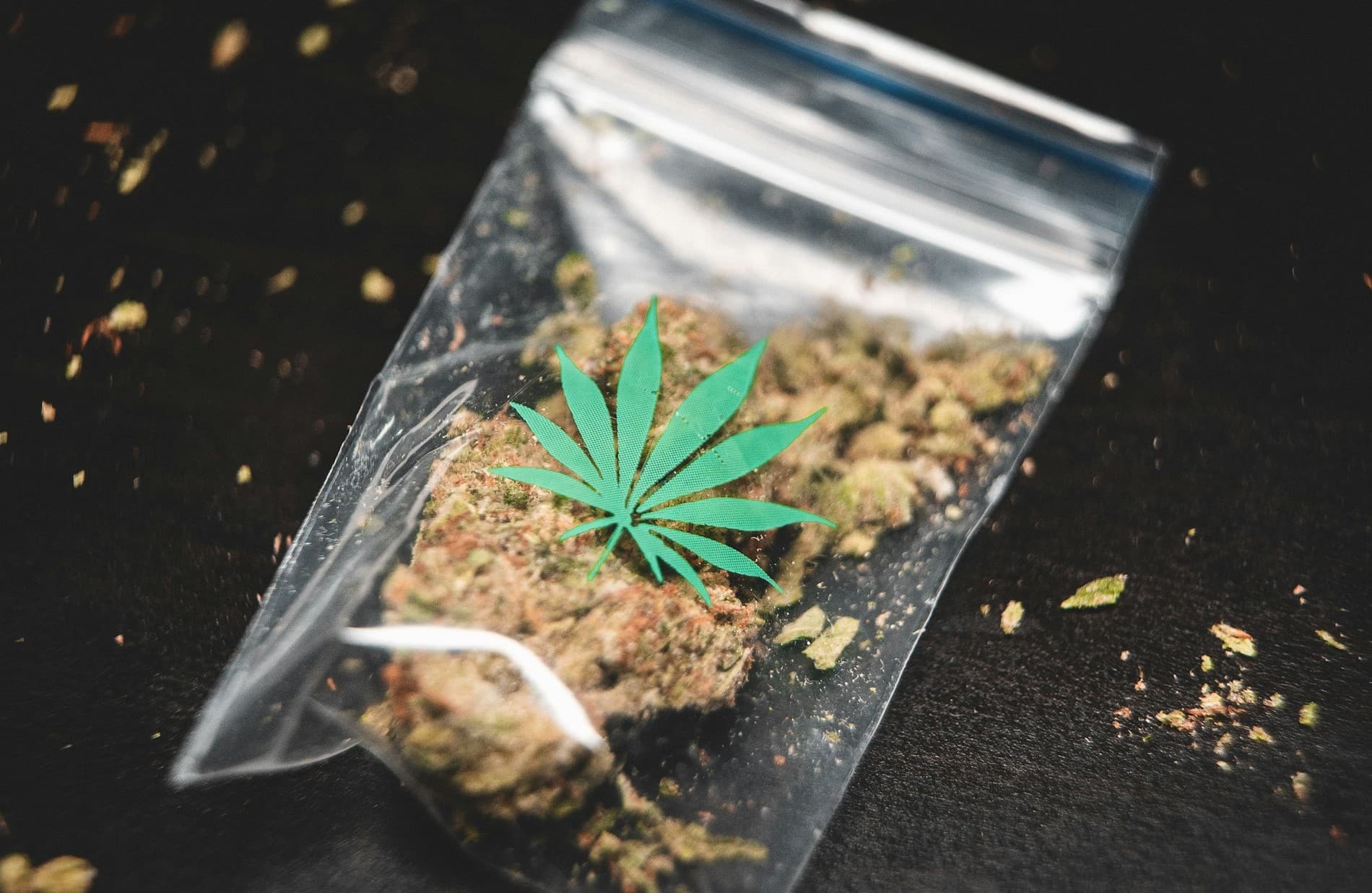
In total, law enforcement confiscated 105,700 illicit cannabis plants and 22,057 pounds of processed cannabis, alongside nine firearms. Several individuals were detained or arrested, with prosecutions pending in coordination with local district attorneys.
In 2024, $534 million in illegal cannabis was seized or destroyed by the task force from nefarious operators. Governor Gavin Newsom pledged to continue to “target illegal cannabis operations and cut off the illicit revenue streams of transnational criminal organizations who prey on workers, our environment, and kids.”
Newsom praised today’s enforcement action, stating:
“Let this be a reminder to all who grow cannabis illegally: we won’t tolerate the undermining of our legal industry and impacts to our environment. I appreciate the multi-agency, cross-county efforts to take on the illicit market.”
“This operation sends a clear message: California will not tolerate illicit cannabis activity that threatens public safety, the environment, and the integrity of the legal market,” said Nicole Elliott, Director of the Department of Cannabis Control.
The Task Force also uncovered the use of banned or highly restricted pesticides at eight locations. These chemicals pose risks not only to California’s native wildlife and ecosystems but also to consumers who unknowingly ingest contaminated cannabis products.

Established in 2022, the Task Force was formed to coordinate enforcement efforts across agencies and protect the legal cannabis market. Since its creation, the Task Force has served over 500 warrants, seized more than $650 million in unlicensed cannabis, and eradicated over 800,000 plants and 220 tons of processed cannabis.
Authorities have also confiscated 190 firearms, made more than 50 arrests, and recovered over $1 million in cash from illegal operations.
The Task Force is co-chaired by the Department of Cannabis Control (DCC) and the California Department of Fish and Wildlife (CDFW) and coordinated by the Homeland Security Division of Cal OES. This latest sweep also involved the Department of Corrections and Rehabilitation, California National Guard, State Parks, Department of Tax and Fee Administration, DEA, and multiple county sheriff’s offices and code enforcement teams across five counties.
“This operation represents the power of collaboration across agencies with a shared commitment to protecting our natural resources and preserving the integrity of California’s legal cannabis market,” said Charlton H. Bonham, Director of the California Department of Fish and Wildlife.
California’s regulated cannabis market is the largest in the world. The legal market fosters fair labor practices and economic growth while funding vital education, public health, and environmental protection programs.
Officials say these enforcement efforts are essential to curbing the illicit market that undercuts legal operators and threatens public health.
You Might Also Like