Alaska Better Elections Campaign: Partisan Primaries Have Failed Our State

 Shawn Griffiths
The Alaskans for Better Elections “Yes on 2” campaign says the poor turnout in Alaska’s closed partisan primaries points to the biggest reason the state needs to update the way it does elections: the disenfranchisement of voters who choose not to register Republican or Democrat.
According to the Alaska Secretary of State’s office, 19% of registered voters participated in the August 18 primary. This means a small fraction of the electorate decided who won these primary elections, and in many districts (safe for one party or the other) -- the general election as well.
“It’s a system that shuts out independents and candidates who are living by the words ‘to hell with politics’ and doing what’s right for Alaska,” said Yes on 2 for Better Elections Campaign Manager Shea Siegert.
“The current system isn’t working for Alaska. We’re more divided than ever before. Partisan politics interfere with our ability to enact solutions supported by a majority of voters. Incumbents that tried to protect the Permanent Fund and address the budget crisis, for example, were targeted because they chose to serve their constituents instead of party bosses.”
The current primary system in place in Alaska allows the parties to exclude unaffiliated (or independent) voters in these taxpayer-funded elections. It is a system that leaves nearly two-thirds (63% at present) out in the cold while the political minority decides the candidates they can choose from in November.
It is a system, the “Yes on 2” campaign says, that empowers party bosses, while the reforms it is proposing empowers voters.
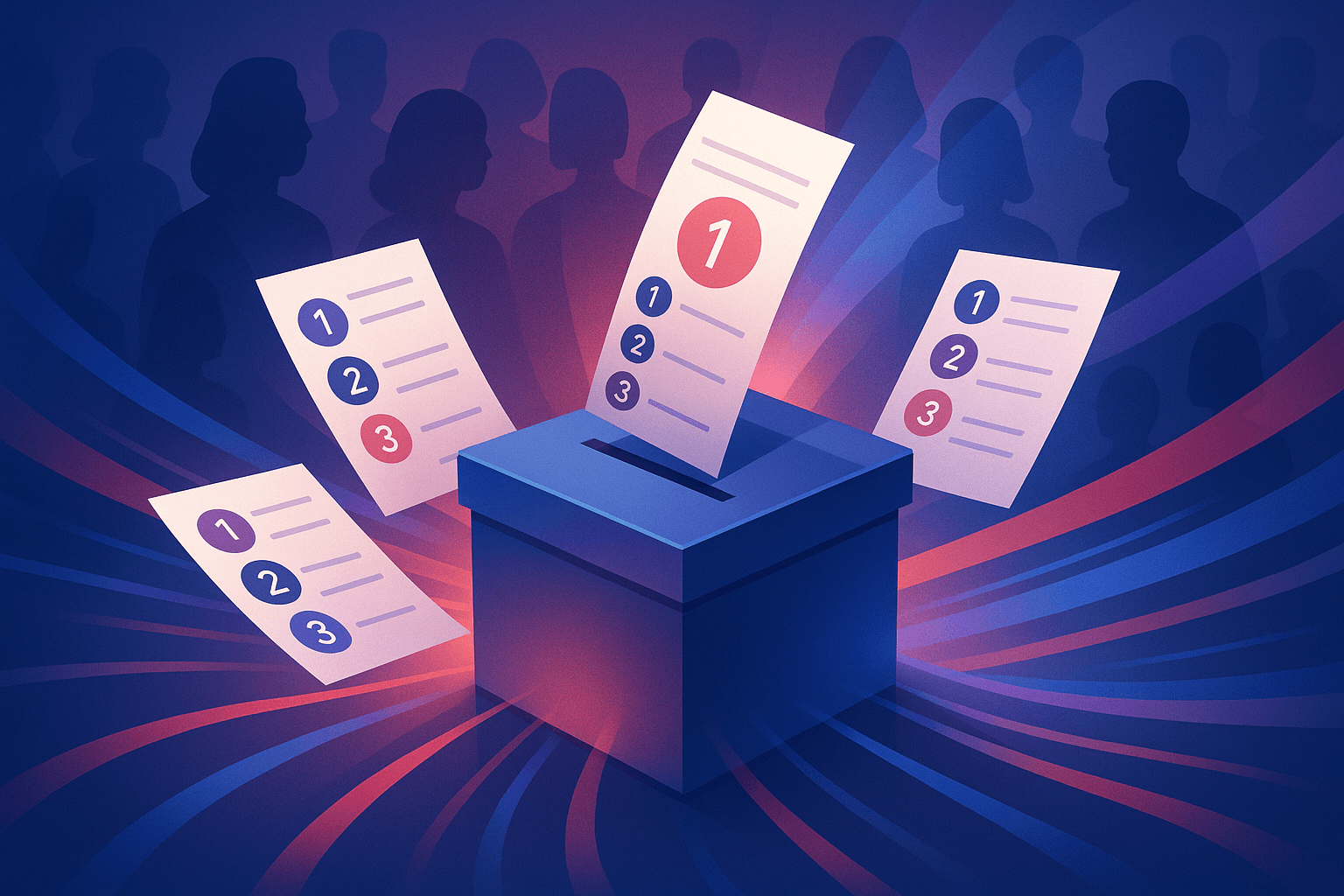
Ballot Measure 2 would replace the closed partisan primary with a nonpartisan top-four primary where all voters and candidates participate on a single ballot and the top four vote-getters move on to the general election. It’s a system that levels the opportunity for voters to have an equal and meaningful say in the process without conditioning their right to vote on joining a private political party.
“Open primaries create a better political culture, allowing legislators to work across the aisle to get things done. The parties can still endorse the candidates they want to support—but they shouldn’t be able to control who appears on the ballot,” said Siegert.
The ballot measure also requires the use of ranked choice voting in the general election to ensure majority winners, and would put in place stricter campaign finance disclosure requirements
You Might Also Like