

Credit: calwatchdog.com
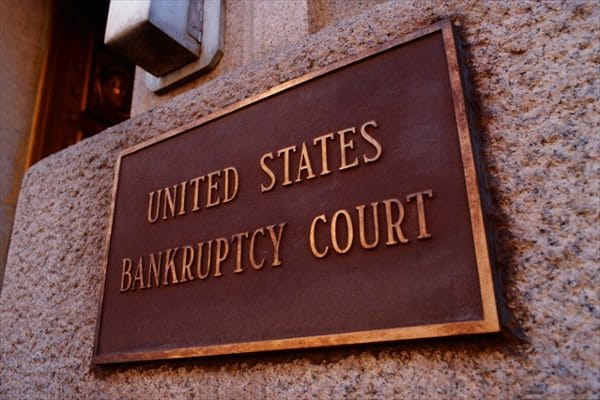
Public pensions in California are supposed to be sacrosanct and untouchable. The assumption is that public pension agreements are unalterable. However, recent California municipal bankruptcies now threaten public pension contracts and perhaps could even break them. If that happens, then any struggling municipality could target public pension agreements and benefits. We are at the beginning of a serious battle between deep-pocketed players to determine who is first in line for money from bankrupt cities and what cities must do to fulfill their bankruptcy plan.
The city of Stockton CA filed bankruptcy recently. The city wants to reduce payments to bond holders but still pay the California Public Retirement System its full amount of $29 million a year. The companies that insure the bonds are screaming foul. They say Stockton's bankruptcy plan is inadequate because it does not address pension liability and that the city needs to reduce payments to CalPERS too. If the bankruptcy judge agrees, then this would reduce pension benefits to retirees.
This has never happened before in California. Public pensions are supposed to be protected by the state constitution, which says that laws cannot impair contracts. However Christopher Klein, the Stockton bankruptcy judge, ruled previously in a related matter that federal bankruptcy laws overrules the California constitution.
CalPERS says they come first, before bondholders and bond insurers. "It is surprising that sophisticated Wall Street firms, which are in the business of underwriting and insuring municipal bonds, were not aware of the priority rights of CalPERS and its members when they evaluated the ability of Stockton to repay hundreds of millions of dollars in bond debt."
The bond insurers counter that Stockton "never asked for a single dollar in reduction of its liability to CalPERS" and "rather than face the hard realities imposed by its unbearable liability to CalPERS, the city takes a pass." The insurers could lose tens of millions and will fight hard to force Stockton to lower pension payments.
No one know what happens if public pensions are reduced. Unlike with private pensions, there is no federal insurance. [Public pensions] "don't have the same kind of safety net. We don't know what happens ... if the employer begins to monkey with the pensions," says a pension expert. However, no one thought that public pension contracts could ever be broken just as no one gave much thought to the possibility of cities going bankrupt.