4 Ways the Euro Zone Crisis Affects Americans


As members of the Euro zone announce their new plan to bailout Spain and turn their back on Greece, Americans can’t help but wonder what this means for those on the other side of the Atlantic. Here are four of the biggest ways the financial crisis in the 17-nation European Union will affect the United States.
Dollar vs Euro
Due to trades, investments, travel and the global market in general, the Euro and the Dollar are closely tied currencies. If countries in the EU continue defaulting on loans, or if the European countries in the black keep bailing out their neighbors in the red, the Euro will continue to fall. This means consequently the dollar will fall, too. Estimates state that the slippage the euro will cause to our dollar will not be drastic enough to thwart our own plans of economic recovery. In fact, according to Reuters UK, Wall Street announced it is coming off S&P's best week of 2012. Yesterday's release also mentioned the state of the exchange rate “Dow up 0.07 pct, S&P down 0.03, Nasdaq down 0.2 pct,” a definite improvement to what we’ve seen lately.
Finally Recovering, Missing Our Biggest Trade Partner
This point ties in a little bit with the first but it is important enough to comment on by itself. The US and the EU trade. They trade goods, they trade investments and they trade money. Right now, the EU is not trade worthy, so the $2 trillion Americans invested into European factories and companies, as well as the 20% of our export goods that the EU buys, are not paying off. The US is finally beginning to become a good investment and trade worthy again, but our biggest financial partner is preoccupied with their own self implosion and not prioritizing investing with us at the moment.
Time to Break Out Your Passport?
that the way things are going in Europe right now we can expect, “a drawn-out crisis causes business travel to plateau and eventually decline by $40 billion or 7 percent between 2012 and 2013.”Many are looking at the European debt crisis as a godsend for travel. Big travel destinations who are in financial hot water such as the PIIGS countries (Portugal, Ireland, Italy, Greece and Spain) are desperate for the cash influx tourism brings. This means cheap destinations, cheap tourist attractions, and an overall cheaper way of living overseas. Yet, the Euro zone crisis is a double edged sword on the tourism issue. The decreasing amount of people traveling overseas to Europe for business can negatively effect the travel industry, which has been a strong positive influence on our improving economy. The GBTA estimates
Upcoming Presidential Election is All About the Economy

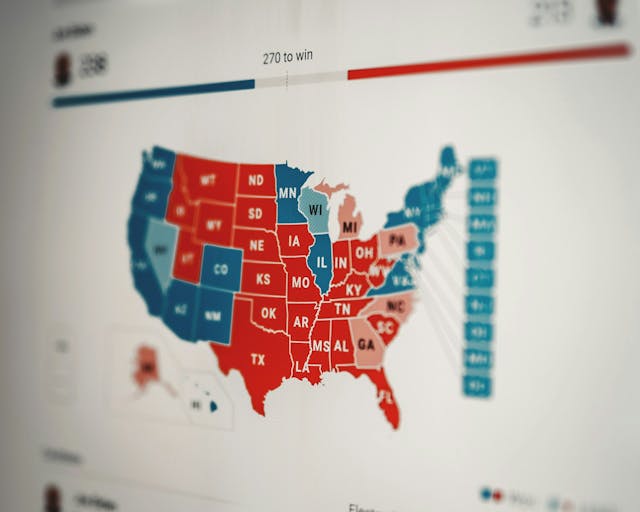
As mentioned before, the Euro zone crisis has direct ramifications on our own financial markets. Hype around the 2012 Presidential election has deemed economic concerns to be the most important for American voters. Depending on the financial effect the Euro zone crisis has on the US economy, it could likely determine who wins our own presidential election in November. President Obama supports continued European Union membership for Greece and believes the US needs to help out our allies- for the sake of American financial well-being. Former Governor Mitt Romney, the Republican nominee, “advises a gradual fiscal consolidation for the US, structural reform to stimulate growth,” as a policy for the crisis in Europe.
Latest articles