
California Water Wars Spotlight: Sacramento Delta

 Bob Morris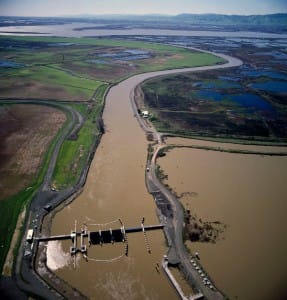
The Sacramento and San Joaquin rivers empty into the Sacramento Delta. The Delta is the most important, and contentious, area for water in all of California. Simply put, everyone wants some of its water. Those who live in the area want it mostly to stay there, to support fishing, wildlife, birding, and recreational interests. But agriculture in the Central Valley needs water too as do the 20 million people who live in mostly semi-arid desert in southern California. Much of the water for both areas comes from someplace else and the Sacramento Delta contributes much of it.
The federal Central Valley Project and the California State Water Project already siphon off water from the Delta and send it southward. They have been doing so for decades. Those areas have powerful, growing thirsts. For years, a phantom menace has lurked in the Delta, terrifying those who want the water to stay there. Its name is Peripheral Canal. And it may be about to become a reality.
But first, let’s look at the politics of water in the Delta itself. Two of the primary interests are fishing, mostly salmon, and agriculture, and they can sometimes be at odds, especially when talk of a peripheral canal comes up.
The Golden Gate Salmon Association recently announced the 2012 salmon fishing season, saying it looks to be a good one but detailed the damage that Delta pumps and pumping of water do to the salmon population. Salmon are often killed in the pumps. Other salmon are trucked around the pumps. If too much downstream water is used, the temperature of the water rises, hurting spawning and egg incubation. GGSA director Roger Thomas says "The more fish we have, the more money is spent by people trying to catch them or in the commercial fishing sector, all of which is great for our economy.”
The Delta itself is home to some of the most fertile land in California. But it is a somewhat forgotten area. Agriculture there is hurting. The ecosystem is in trouble. About 2,500 people live there now. If they continue to leave, who will watch and maintain the water infrastructure, asks The California Spigot.
"We need these folks. If you want managed water, you’ve got to have people on the ground with the motivation to manage it... If you eliminate the livelihood of the people who live in the marinas, towns and farms, no one will watch the Delta. Somebody who flies over every six months doesn’t have much motive to catch stuff," says Robert Benedetti, a professor of political science.
Worse for Delta residents and their agriculture, but possibly better for salmon fishing are plans to build a peripheral canal. Two massive canals (or tunnels) would be built diverting water around the Delta and sending it south. This would protect salmon from the pumps but would obviously impact the Delta water supply. Further, Delta agriculture would be damaged, especially since the plan includes returning 100,000 acres of farm land to marsh.
There are no easy answers here. California doesn’t have enough water for everyone. That’s the problem.
You Might Also Like